Last updated November 25, 2026
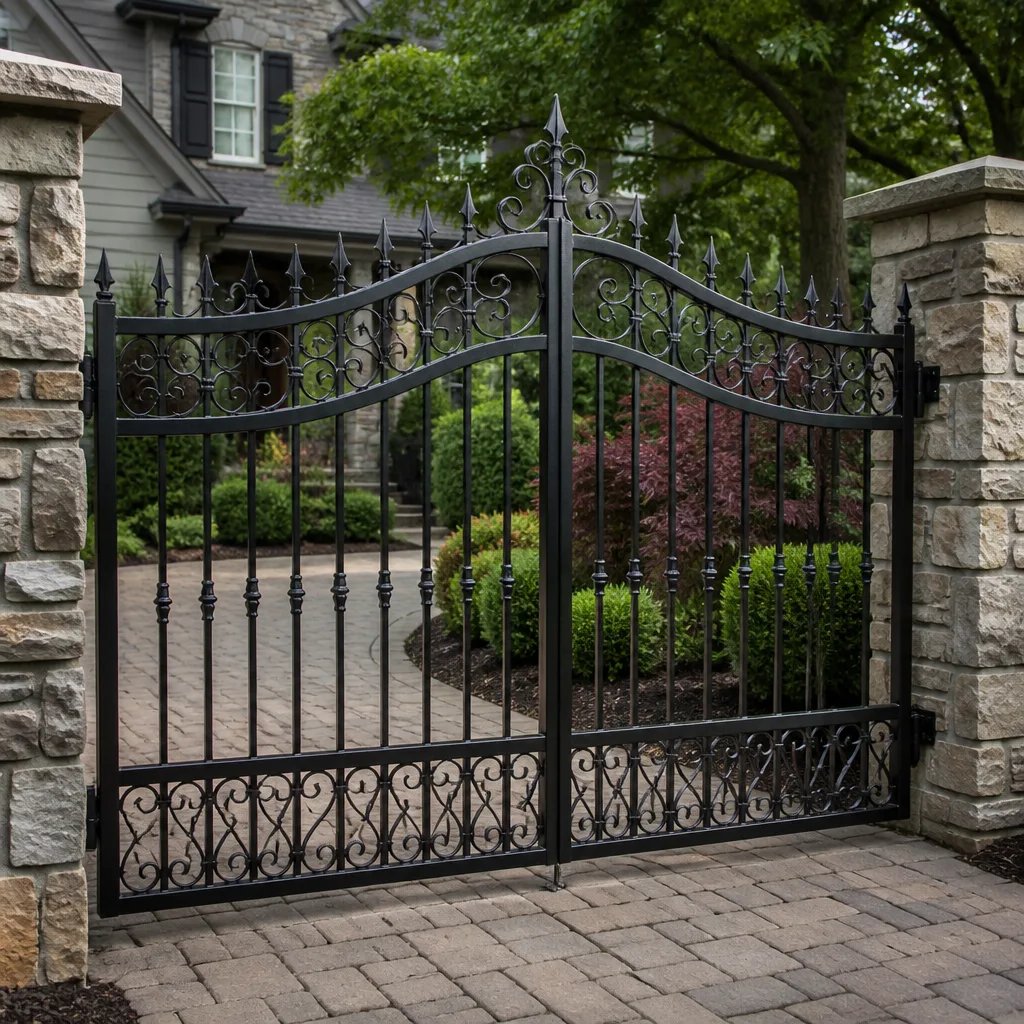 Wrought iron
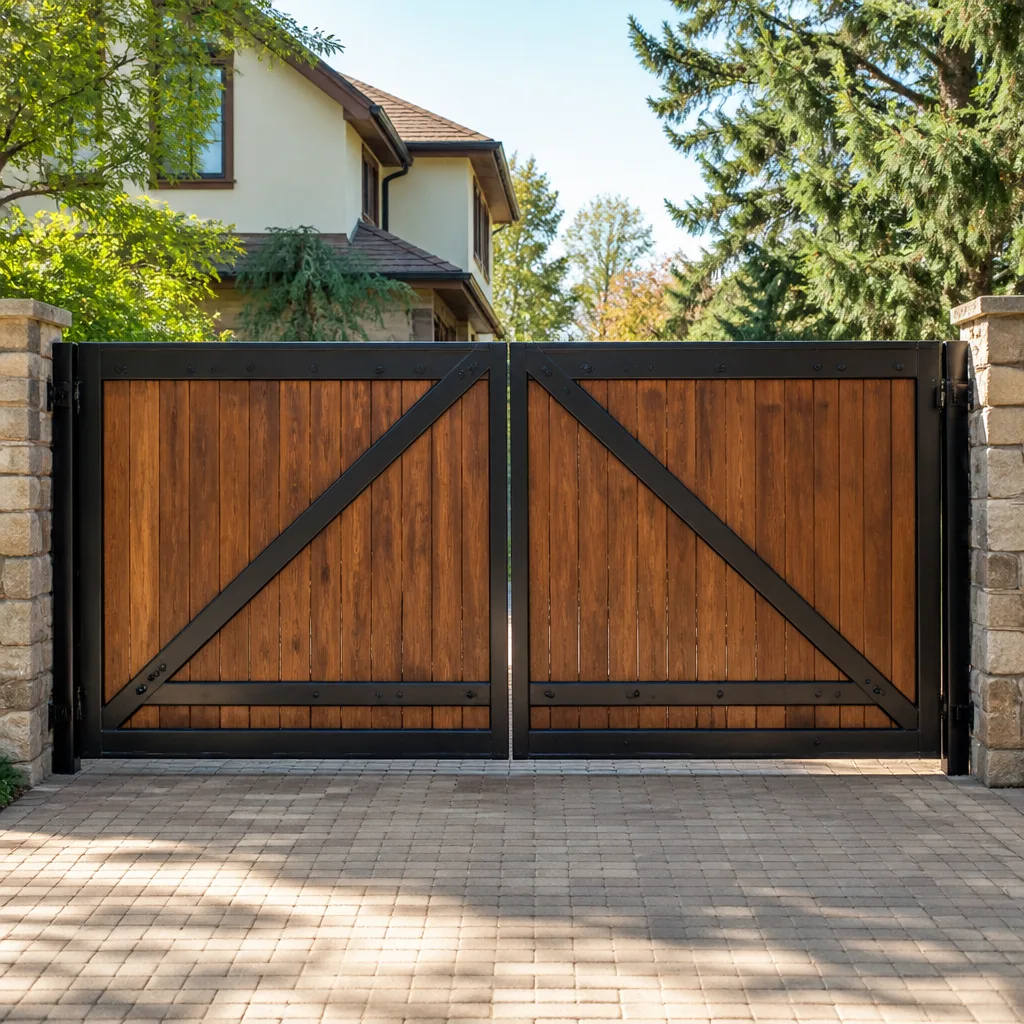 Wood & steel frame
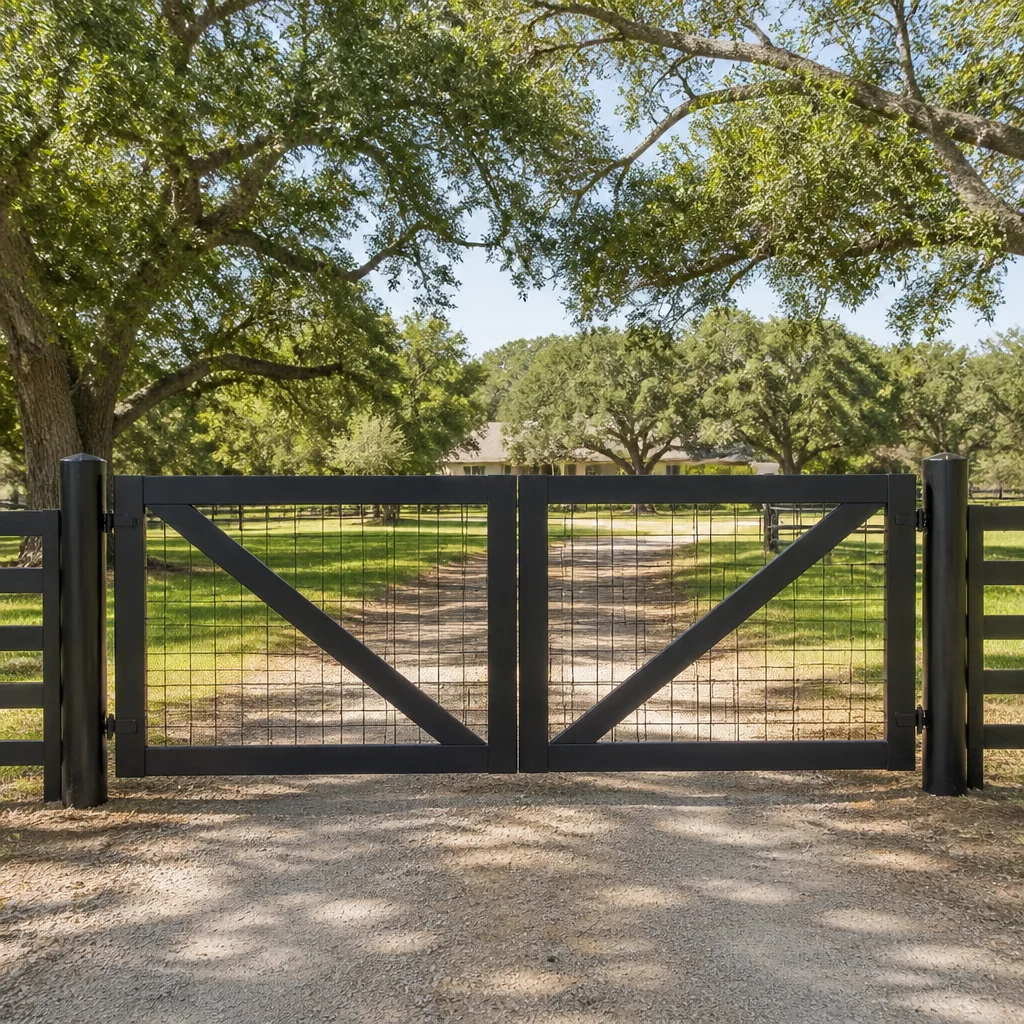 Farm & ranch
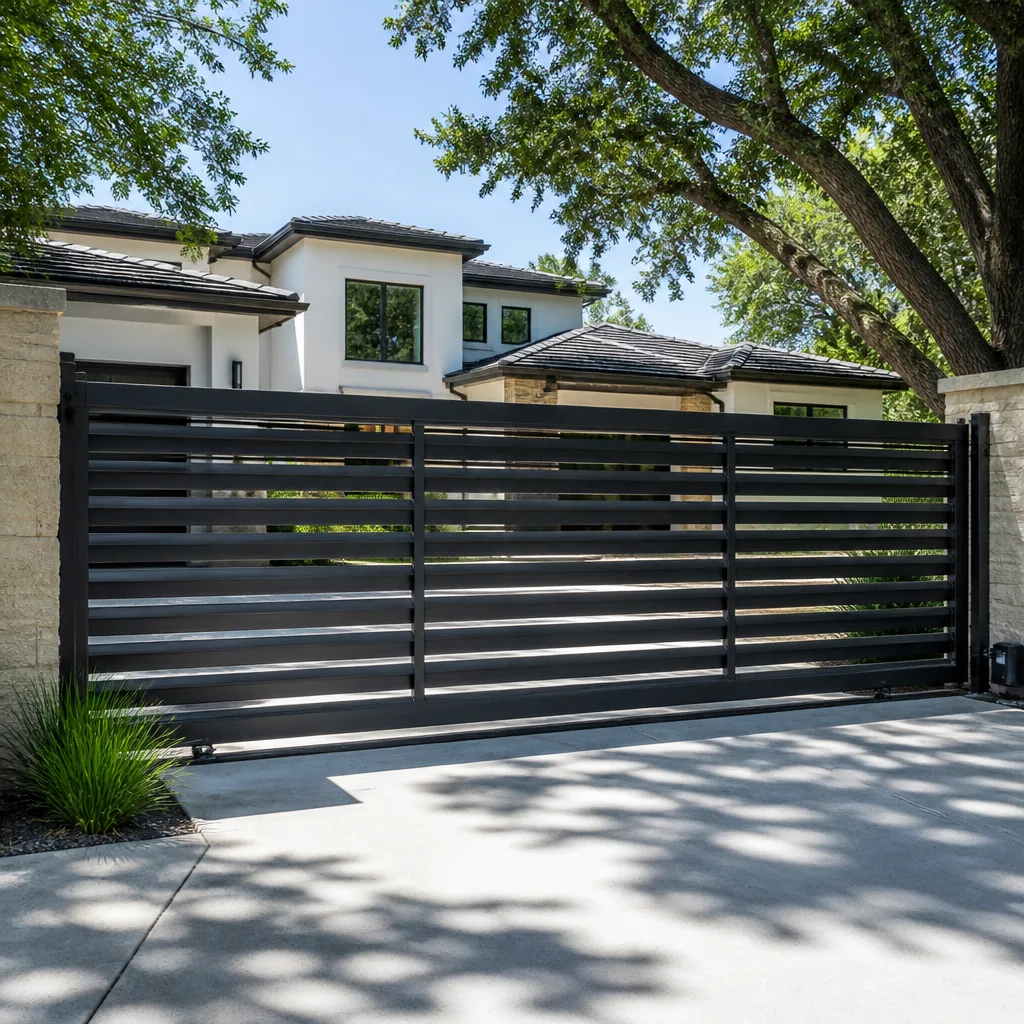 Sliding driveway gates
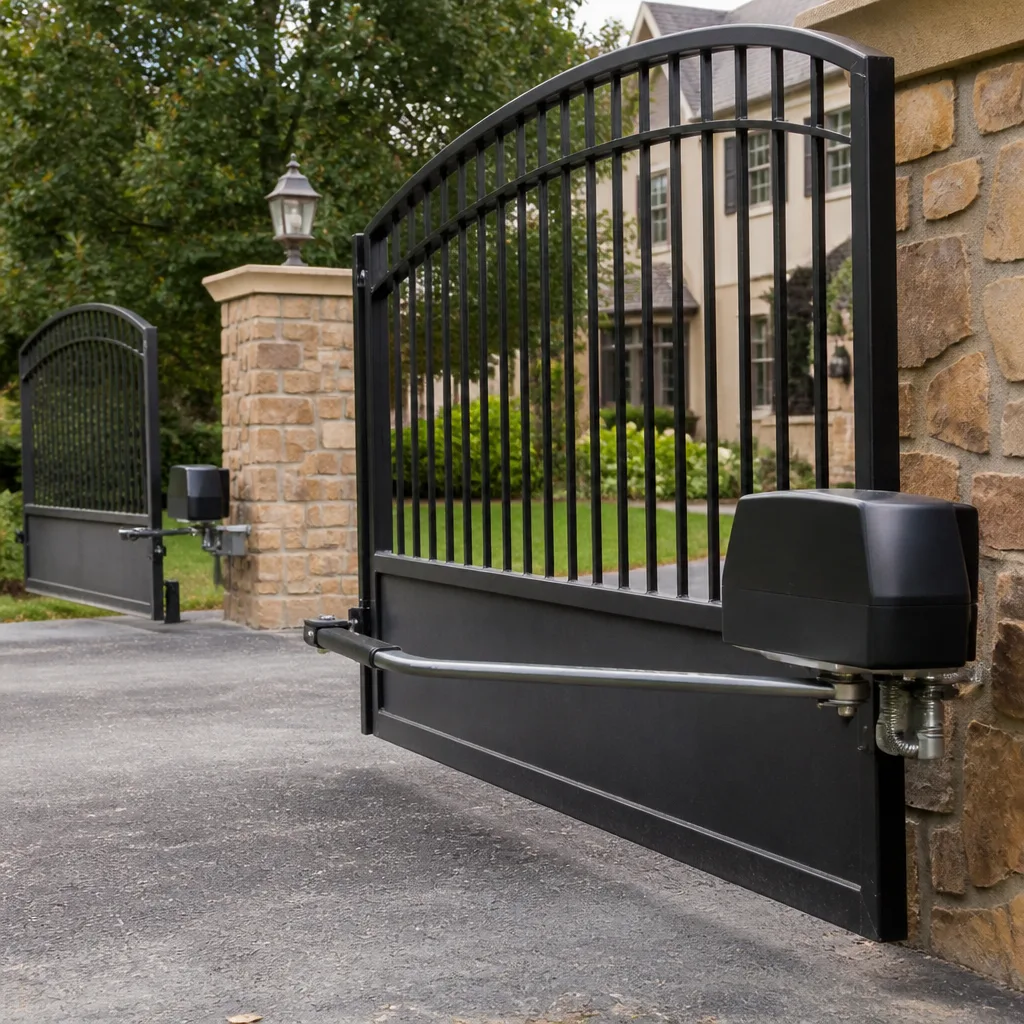 LiftMaster operators
Free on-site gate assessment - hinges, posts, and your LiftMaster or Nice gate operator checked before anything is quoted
The assessment is free and the quote is the invoice.
Get your free estimateGate Repair Permits, Codes & Inspections in Northbrook, IL: What You Need to Know
Here’s the part most homeowners miss: in Northbrook, the paperwork can outlast the job. A gate operator swap is often a few hours of work for a technician, but replacing the operator itself can also require an electrical permit under Illinois rules, and that permit takes far longer to pull than the install takes to finish. Skip it and you’re not just risking a fine from the Village. You can put your homeowner’s insurance coverage for anything that happens at that gate into question. This guide walks through what Northbrook actually requires for gate height, setback, and automation, when a permit is triggered, and what a Cook County inspector looks for. It’s written for homeowners and property managers who want the gate fixed correctly and the record clean.
Quick Answer
In Northbrook, repairing gate components (hinges, latches, rollers, a bad sensor, a control board) generally does not require a permit, but replacing a gate operator or running new electrical service to an automated gate usually does, because that work falls under electrical permitting. Gate height and setback are governed by Northbrook’s fence and zoning rules, which differ for residential lots, commercial lots, and corner properties. Always confirm the current requirement with the Village of Northbrook before you build, replace, or automate a gate, and keep the inspection record on file.
Styles & brands we work with
- Wrought iron
- Wood & steel frame
- Farm & ranch
- Sliding driveway gates
- LiftMaster operators
Table of Contents
- Gate Height and Setback Rules in Northbrook
- Repair vs. Replace: When a Permit Is Triggered
- UL 325 Compliance and Why It Matters
- Checking Permit History Before You Buy
- What Inspectors Look For in Cook County
- Step-by-Step: Permitting an Automated Gate
- What Happens If You Skip the Permit
Gate Height and Setback Rules in Northbrook
Gate and fence height in Northbrook is set by zoning classification, not by a single number that applies everywhere. The Village regulates fences and gates the same way it regulates other accessory structures: height limits, placement relative to the property line, and visibility at corners all depend on how the lot is zoned and where the gate sits. Before you order a new gate or change an existing one, pull the current requirements from the Village, because the limits on a residential lot are not the same as the limits on a commercial parcel.
The categories that matter most:
- Residential lots: Height limits on front, side, and rear yard fences and gates generally differ, and a front-yard gate is usually held to the tightest standard. Confirm the current figure with the Village rather than assuming a number you heard from a neighbor.
- Commercial lots: Commercial parcels often allow a different height and setback than residential, and the requirement can change based on how the property fronts the street and whether parking or a drive aisle sits behind it.
- Corner lots: A corner lot can carry a sight-distance requirement so that a gate or fence doesn’t block visibility for traffic. That can push a gate back from the corner even when the height is within limits.
- Setback from the property line: Placement matters as much as height. A gate mounted at or near the property line may need to meet a specific setback, and the survey line is what the Village measures against.
Automatic gates add a layer. Beyond the fence rules, an automated gate needs a stable mounting surface, proper footing depth, and room for the operator and safety edges. In Northbrook’s freeze-thaw winters, that footing and drainage question matters for function as much as for compliance; a gate that sits in a low spot will fight ice all season. We work on gates across Northbrook’s residential and commercial properties, and the two most common surprises are a gate that’s slightly over the height limit and a corner gate that’s inside the sight-distance zone. Both are easier to solve before the gate is on site.
Repair vs. Replace: When a Permit Is Triggered
Here’s the distinction most contractors don’t explain. Repairing components of an automated gate is usually not a permitted activity. Replacing the operator, or running new electrical service to it, usually is. That’s because the permit attaches to the electrical work, not to the gate’s mechanical parts. If the motor is fine and you’re replacing a control board, a keypad, a loop detector, or a safety edge, you’re typically doing repair. If you’re pulling out the operator and installing a new one, you’re touching the electrical supply, and that’s where the Illinois electrical permit requirement comes in.
Put another way:
- Likely repair, no electrical permit: replacing a hinge or roller, adjusting a track or latch, swapping a control board, replacing a safety edge sensor, replacing a keypad or intercom, troubleshooting a loop detector.
- Likely requires an electrical permit: removing and installing a new gate operator, running a new power feed to the gate, adding a new disconnect, or upgrading the electrical circuit that serves the operator.
The same logic applies whether your gate runs a Ghost Controls residential swing operator or a DoorKing commercial system. The brand doesn’t change the permitting rule; the scope of the electrical work does. That’s why brand-specific diagnostics matter here: when we diagnose by component, we can tell you whether the fix is a repair or a replacement before anyone commits, and whether the job is likely to cross the permit line. If it’s a repair, you get the gate back without the paperwork. If it’s a replacement, you know up front what’s required and what it will take. For an in-depth look at operator service, see our page on gate motor & opener.
UL 325 Compliance and Why It Matters
UL 325 is the safety standard for automated gate operators, and it covers more than the motor. It governs entrapment protection: the photo eyes, safety edges, and warning signage that prevent a closing gate from crushing a person, a pet, or a vehicle. A gate that opens and closes reliably but lacks working entrapment protection is non-compliant, whether or not anyone ever files a complaint. That non-compliance becomes a serious liability question the moment something goes wrong.
What UL 325 requires a compliant automated gate to have:
- Entrapment protection: non-contact sensors (photo eyes) or contact sensors (safety edges), or both, depending on the operator type and gate design.
- Warning signs: the required signage mounted visibly at the gate to alert pedestrians and drivers.
- Emergency release: a manual way to open the gate if the operator loses power or the system fails.
- Proper operator selection: the operator class has to suit the gate’s size, weight, and use, not just the driveway it sits on.
Why this matters in Northbrook specifically: a lot of automated gates here were installed years ago, and sensors get bumped, buried by plowing, or simply stop working without anyone noticing until the gate closes on a car. When we service a gate, checking the entrapment protection is part of the diagnosis, not an add-on. If you’re replacing an operator anyway, a compliant install is the only sensible path, because a non-compliant one hands the next owner of the property a problem and puts the current owner on the hook for any incident.
Checking Permit History Before You Buy
If you’re buying a Northbrook home with an existing automated gate, check the permit record before you close, not after. A gate that was installed without the required electrical permit can become your problem the moment you own the property, and the seller’s paperwork is often the only place the record exists. The good news is that villages keep permit files, and a little research up front protects the purchase.
A practical order of operations:
- Ask the seller for installation paperwork. The operator manual, installation receipt, and any permit or inspection documents should be in the file. If the seller can’t find them, that’s a flag worth noting.
- Contact the Village of Northbrook building department. Ask whether a permit was pulled for the gate or its electrical service, and whether the work was inspected and closed out.
- Look at the electrical supply. A gate operator on a proper, permitted circuit usually has a clear disconnect. A homeowner-run extension cord or a buried line with no record is a warning sign.
- Have the system checked by a specialist. A brand-aware technician can confirm whether the operator matches the gate, whether entrapment protection is working, and whether the install was done to standard. On a DoorKing or Elite access control system, that inspection covers the keypad, intercom, and loop wiring too.
- Get it in writing. If you buy the property, note in the offer or the inspection response that the gate’s permit status must be resolved, or budget for correcting it.
This step is routine for commercial and HOA buyers, who usually expect a permit trail, and it gets skipped by residential buyers far too often. A gate that works on the day of the walk-through isn’t proof the install was permitted. For a full picture of what repair or correction looks like, our gate repair page covers the diagnosis side.
What Inspectors Look For in Cook County
A gate automation inspection in Cook County comes down to safety and code compliance, not aesthetics. The inspector is checking that the electrical work is sound and that the automated gate won’t injure anyone. Knowing the checklist ahead of time is the difference between a quick sign-off and a return visit.
The items that come up most:
- Entrapment protection: photo eyes and safety edges installed, positioned, and functioning. A sensor that’s mounted wrong or has been bypassed fails.
- Emergency release: a working manual release, accessible when the power is out.
- Electrical work: the circuit, disconnect, and wiring installed to code, with the operator properly grounded.
- Warning signage: the required signs mounted at the gate and visible.
- Operator suitability: the operator rated for the gate’s class, size, and use, with limits set correctly.
- Gate movement: smooth travel, correct open and close limits, and no binding or obstruction that could cause a stall or a crush.
If access control is part of the system, the inspection can also touch the entry hardware. Keypads, intercoms, and loop detectors have to function and be wired properly, and a system running on a commercial DoorKing or Elite setup comes with more wiring to get right. We cover that side on our gate access control page. The bottom line is that a compliant gate is a safe gate, and a clean inspection is the proof.
Step-by-Step: Permitting an Automated Gate
If you’re replacing an operator or installing a new automated gate in Northbrook, here’s the order that keeps you out of trouble. The sequence matters as much as the steps; pulling the permit after the work is done creates problems no amount of tidy wiring fixes.
- Confirm the scope. Is this a repair or a replacement? A component repair usually needs no permit. A new operator, new power feed, or new circuit usually does.
- Check the Village requirements first. Contact the Village of Northbrook building department to confirm whether a permit is required for your specific scope and property, and ask what the submittal needs to include.
- Pull the electrical permit before work starts. For an operator replacement or new electrical service, the permit is the first step, not the last. This is where the timeline lives.
- Order components to match. The operator has to suit the gate and the gate has to meet the site’s height and setback rules. Measure once, order once.
- Install to UL 325. Entrapment protection, warning signs, emergency release, and correct limits, all in place before the inspector arrives.
- Schedule the inspection. Have the installation documents, operator manual, and permit on hand for the inspector.
- Keep the record. Store the closed-out permit and inspection paperwork with the property file. Future buyers and future service calls both benefit from it.
In our experience, the step that stalls the whole job is number three. The install can be finished quickly, but the permit runs on its own clock, and a homeowner who assumed the two would line up ends up with a gate that’s done and an inspection that’s still weeks out. Plan the permit first and the rest follows.
What Happens If You Skip the Permit
The obvious risk is the fine from the Village for work done without a permit. The less obvious risk is the insurance one, and it’s the one that matters more. If an unpermitted automated gate is involved in an incident, a claim adjuster can treat the missing permit as a coverage problem, and you can find out after the fact that the gate you insured isn’t covered the way you assumed.
Beyond the insurance exposure, unpermitted work creates three practical headaches:
- It can slow a sale. Buyers’ inspectors flag missing permits, and resolving one on a timeline is stressful and expensive.
- It complicates future repairs. When a specialist opens the panel and finds wiring with no permit trail, the diagnosis gets harder and the correction more involved.
- It puts liability on the property owner. An automated gate is a heavy moving object controlled by electricity. Compliance isn’t paperwork for its own sake; it’s the record that the safety systems were installed and checked.
The fix is straightforward: if you’re not sure whether your gate was permitted, check with the Village, and have the system inspected by a specialist to confirm entrapment protection and wiring are sound. We work on this kind of correction regularly in Northbrook, from residential swing gates to commercial sliding systems.
Common Mistakes to Avoid
- Assuming a repair and a replacement are treated the same. They aren’t. Replacing an operator usually triggers an electrical permit; replacing a sensor usually doesn’t.
- Pulling the permit after the work is done. Doing the work first and chasing the permit later can turn a clean inspection into a correction, and the Village is under no obligation to make that quick.
- Ordering a gate before checking height and setback. A gate that arrives and doesn’t meet the Village’s limits for your lot’s zoning is a gate you can’t install as planned.
- Forgetting the corner-lot sight-distance rule. Northbrook has corner properties, and a gate placed without accounting for it can fail the review even when the height is fine.
- Skipping the permit-history check at purchase. Buying a Northbrook home with an unpermitted automated gate can hand you the correction bill after the closing.
- Treating UL 325 as optional. A gate without working photo eyes, safety edges, or a manual release is a liability, not a convenience feature.
- Letting a generalist touch a brand system. A DoorKing or Elite access control panel or a Ghost Controls operator rewards someone who knows the brand; guesswork on the control side costs time and money. If you want a specialist who knows the system, that’s what we do at Gate Repair Northbrook.
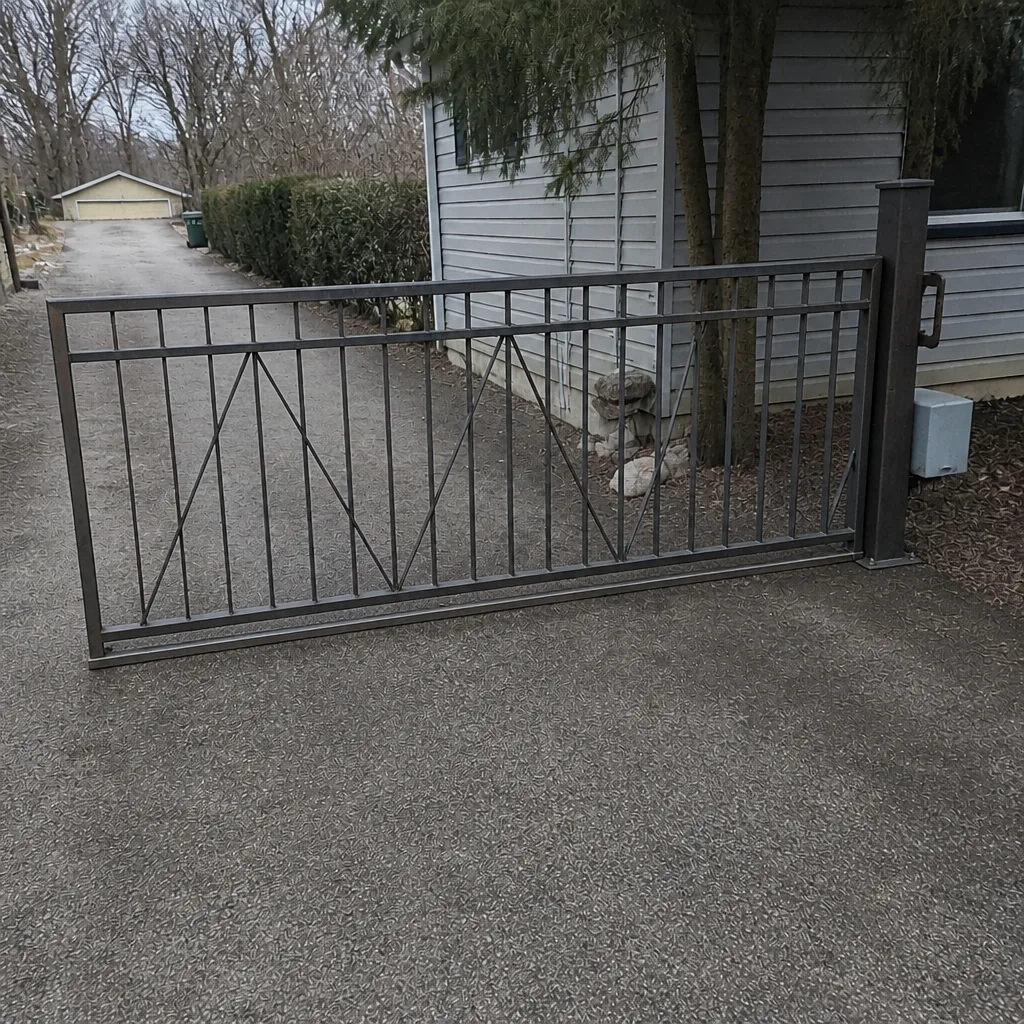
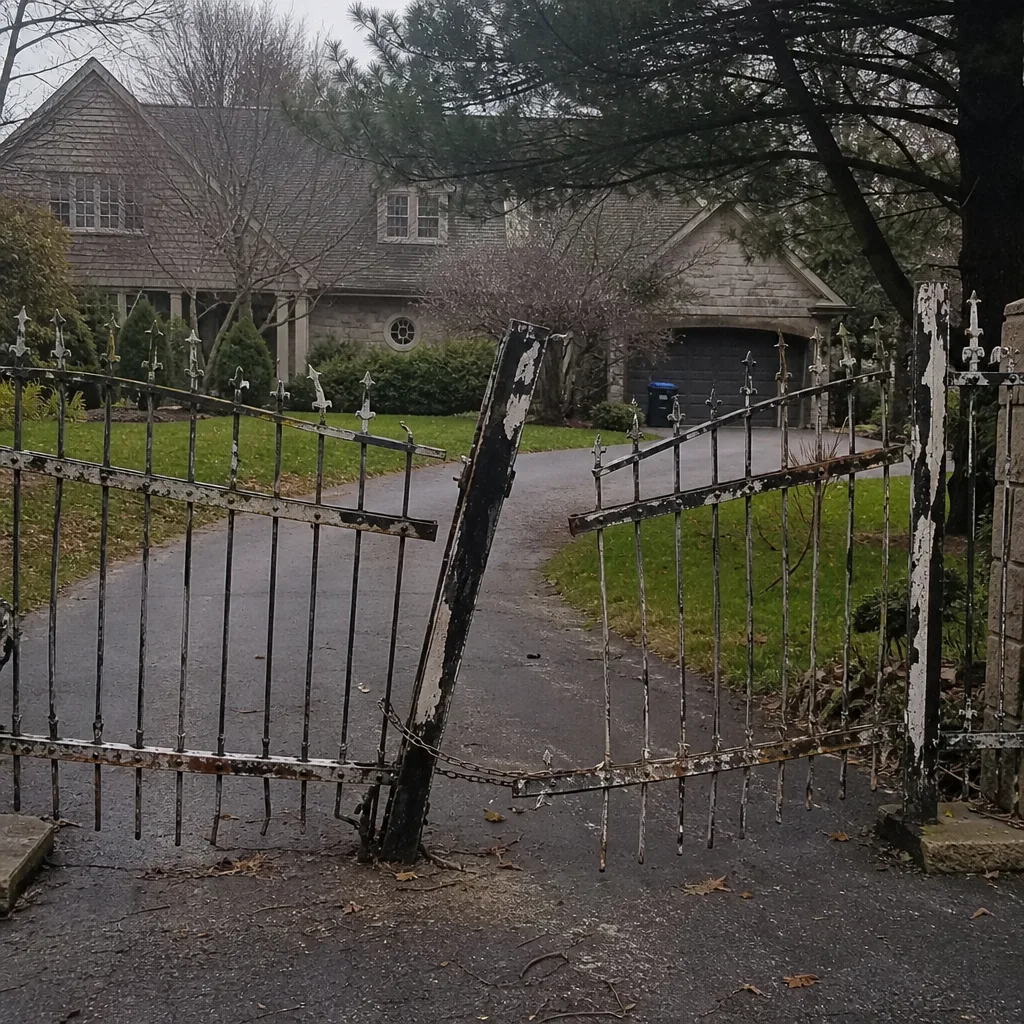
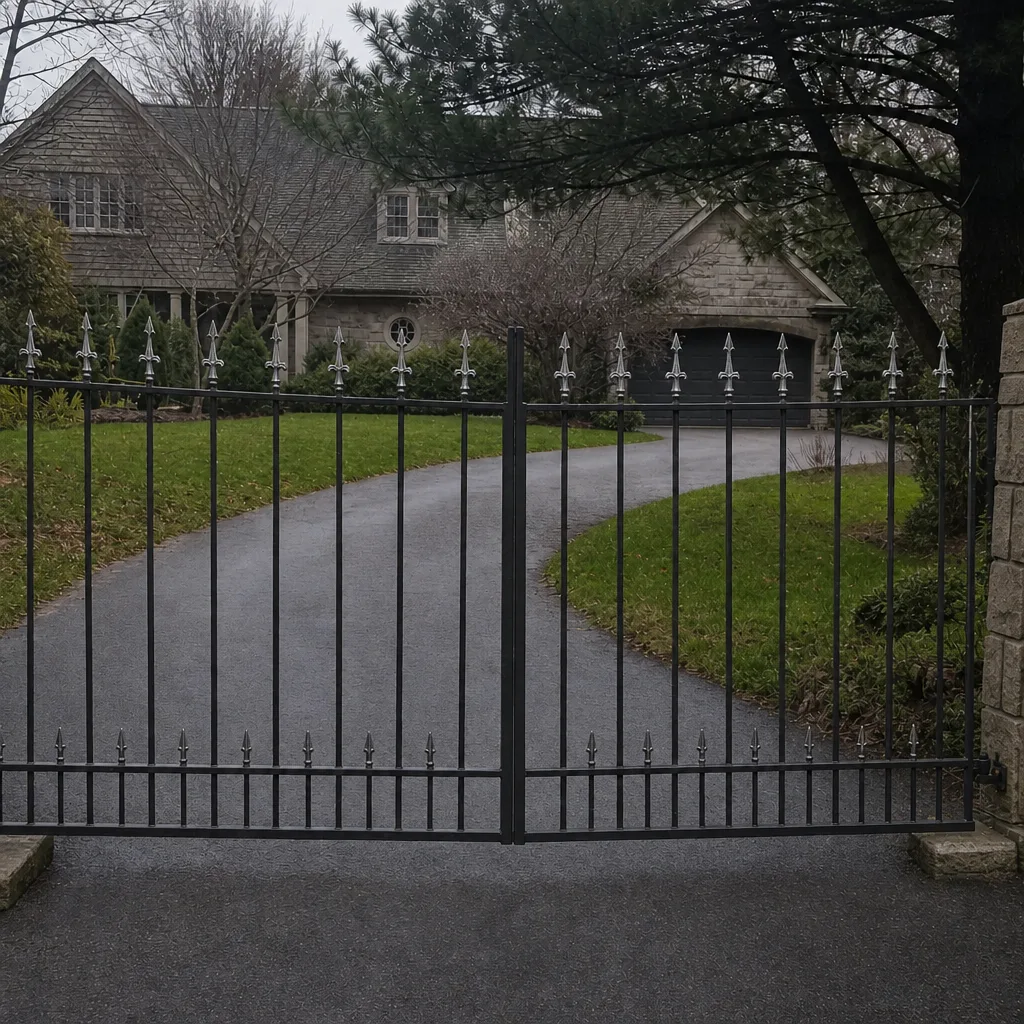
See the difference
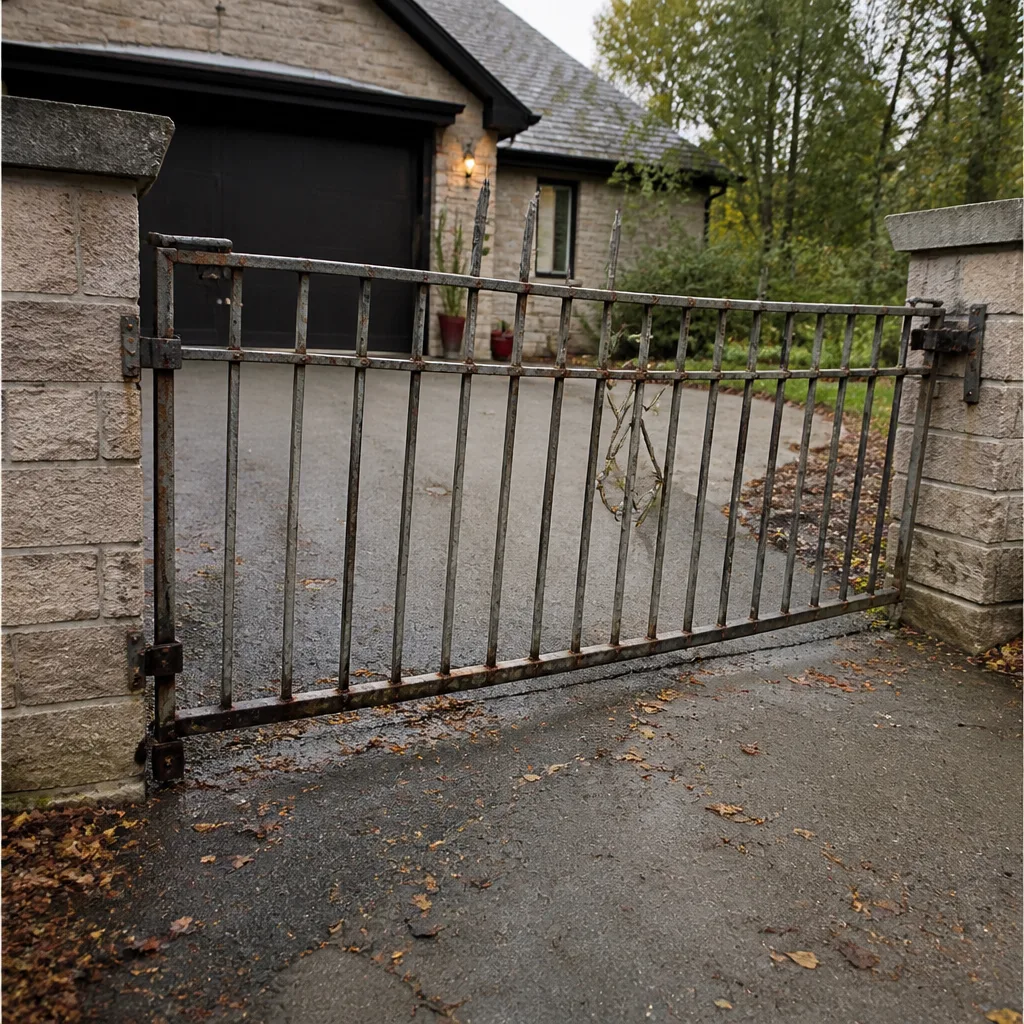 Before
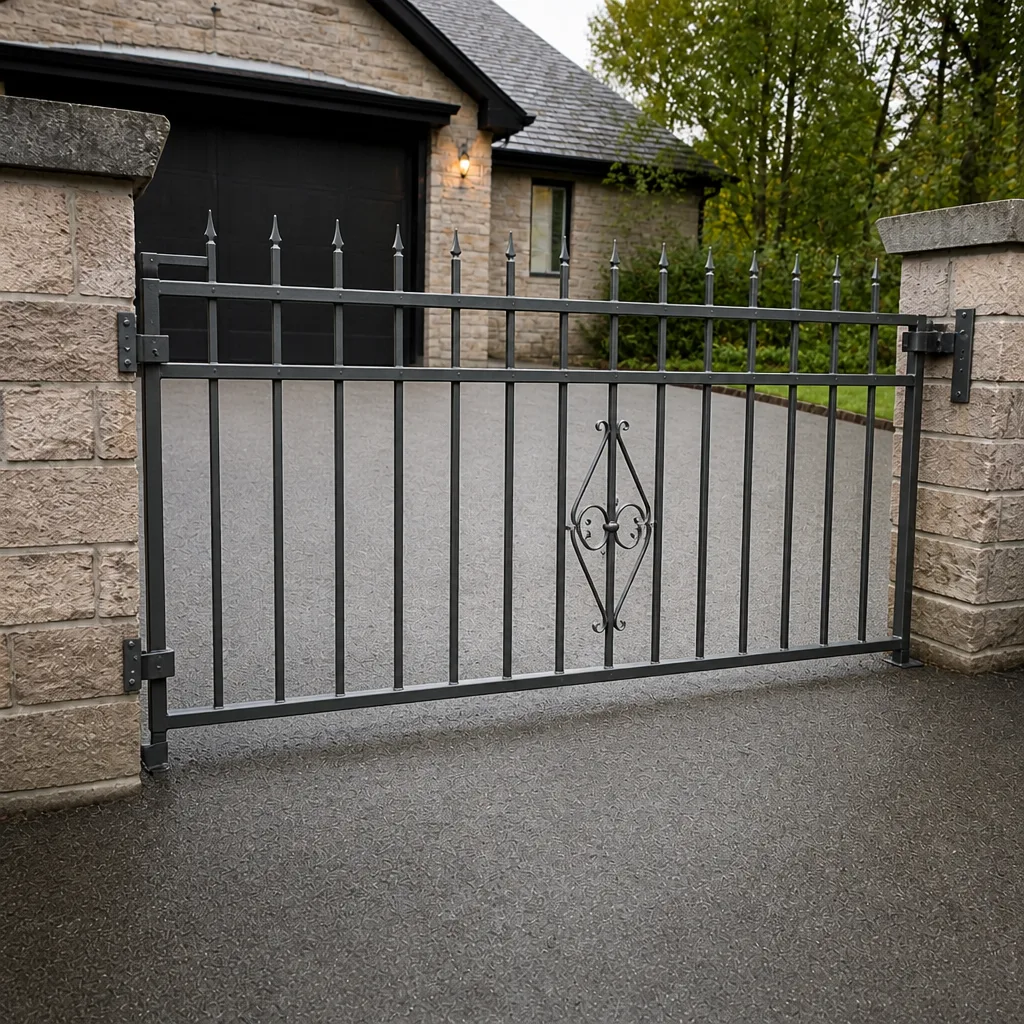 After
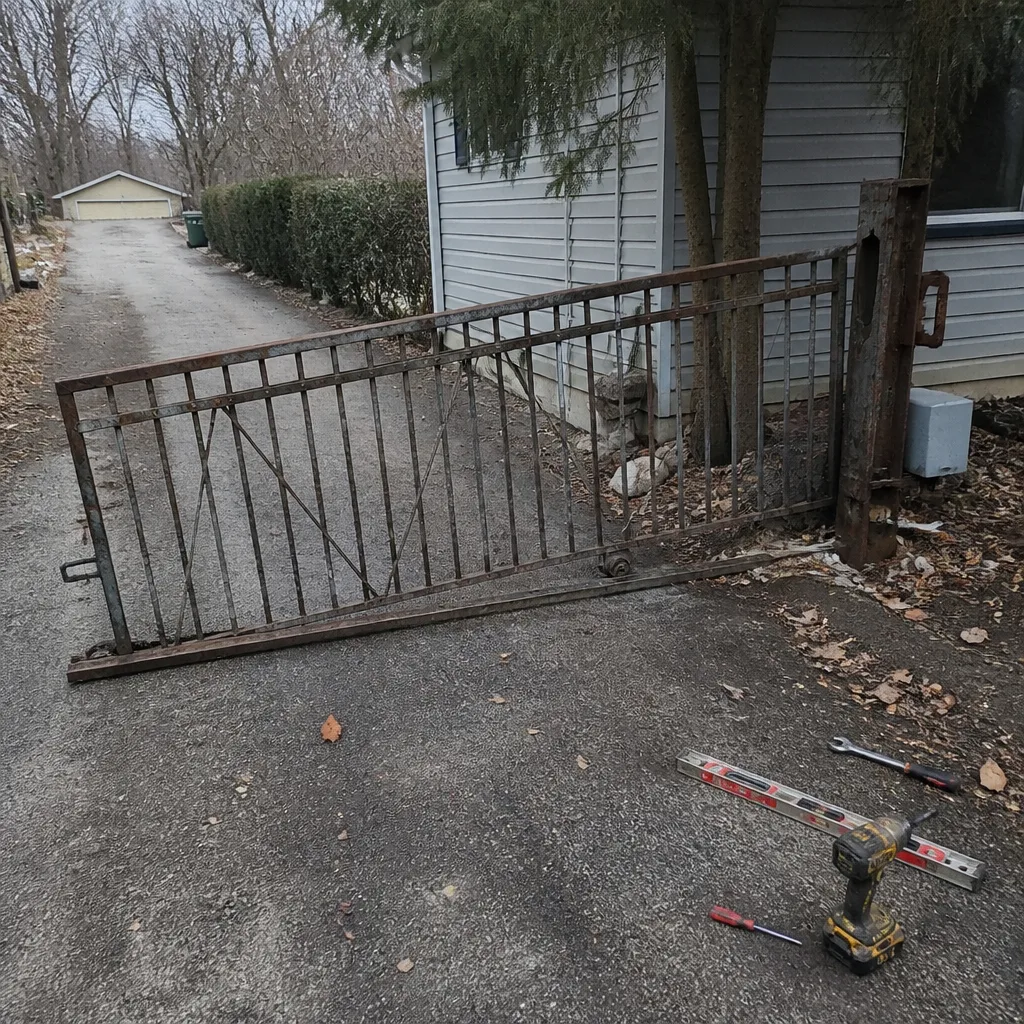 Before
 After
 Before
 After
When to Call a Professional
Call a specialist when the question is more than a loose hinge. If your operator stopped working and you’re not sure whether it’s a repair or a replacement, a trained eye saves you from pulling a permit you didn’t need, or skipping one you did. If your gate was installed before you owned the property and you can’t find a permit record, get it checked before a sale or a claim forces the issue. If the access control side is failing (keypads, intercoms, loop detectors), the wiring and the diagnosis get more involved, not less. And if the gate moves but the safety sensors don’t, that’s a compliance problem regardless of whether it’s currently a permit problem. Gate Repair Northbrook offers free estimates in Northbrook, and we can tell you what’s a repair, what’s a replacement, and where the permit line falls. Call (855) 701-7091.
Frequently Asked Questions
Usually no. Repairing mechanical parts or replacing components like a sensor, keypad, control board, or loop detector is generally not a permitted activity. If the repair turns into an operator replacement or new electrical service, that’s when the Illinois electrical permit requirement typically applies. Call (855) 701-7091 for an exact quote and we’ll tell you which side of the line your job falls on.
Often yes. Replacing the operator, running a new power feed, or adding a disconnect usually triggers an electrical permit, because you’re touching the electrical supply, not just the gate. That’s the threshold most homeowners miss: the permit attaches to the electrical work, not the gate. Call (855) 701-7091 to talk through your specific operator before you buy anything.
UL 325 is the safety standard for automated gate operators, covering entrapment protection like photo eyes and safety edges, warning signs, and emergency release. Any automated gate should comply; non-compliance is a liability question, and inspectors check for it. If your gate lacks working protection, call (855) 701-7091 for a free estimate on bringing it up to standard.
Contact the Village of Northbrook building department and ask whether a permit was pulled for the gate and its electrical service and whether it was inspected. Ask the seller for the installation paperwork, and have a specialist confirm the system is compliant before you close. A quick check with the Village and a call to (855) 701-7091 covers both the record and the hardware.
Inspectors check entrapment protection, emergency release, electrical work and grounding, warning signage, operator suitability, and gate movement. If access control is wired in, the keypad, intercom, or loop detector has to function too. Ask (855) 701-7091 for a free estimate if you want a specialist to look over the system before the inspection.
They can pull the permit, but they may not know the brand. Automated gate systems, especially access control panels on DoorKing or Elite systems, are best handled by a technician fluent in that system. Gate specialists diagnose by component, so you get the right fix the first time. For a free estimate on a brand-specific diagnosis, call (855) 701-7091.
The Bottom Line
Northbrook’s gate rules come down to three things: the Village’s height and setback requirements for your lot’s zoning, the electrical permit that usually comes with an operator replacement, and the UL 325 safety standard that keeps the gate safe to operate. The permit threshold is the one most people miss: repair is usually not permitted, replacement usually is, and the permit takes longer than the install. Check the record before you buy, keep the paperwork after you build, and have the safety systems confirmed by a specialist. If you’d rather have someone walk the site and tell you where your gate stands, call Gate Repair Northbrook at (855) 701-7091 for a free estimate. We’re gate specialists from the motor to the access panel, and we work on your brand.
Written by the team at Gate Repair Northbrook.