Last updated November 25, 2026
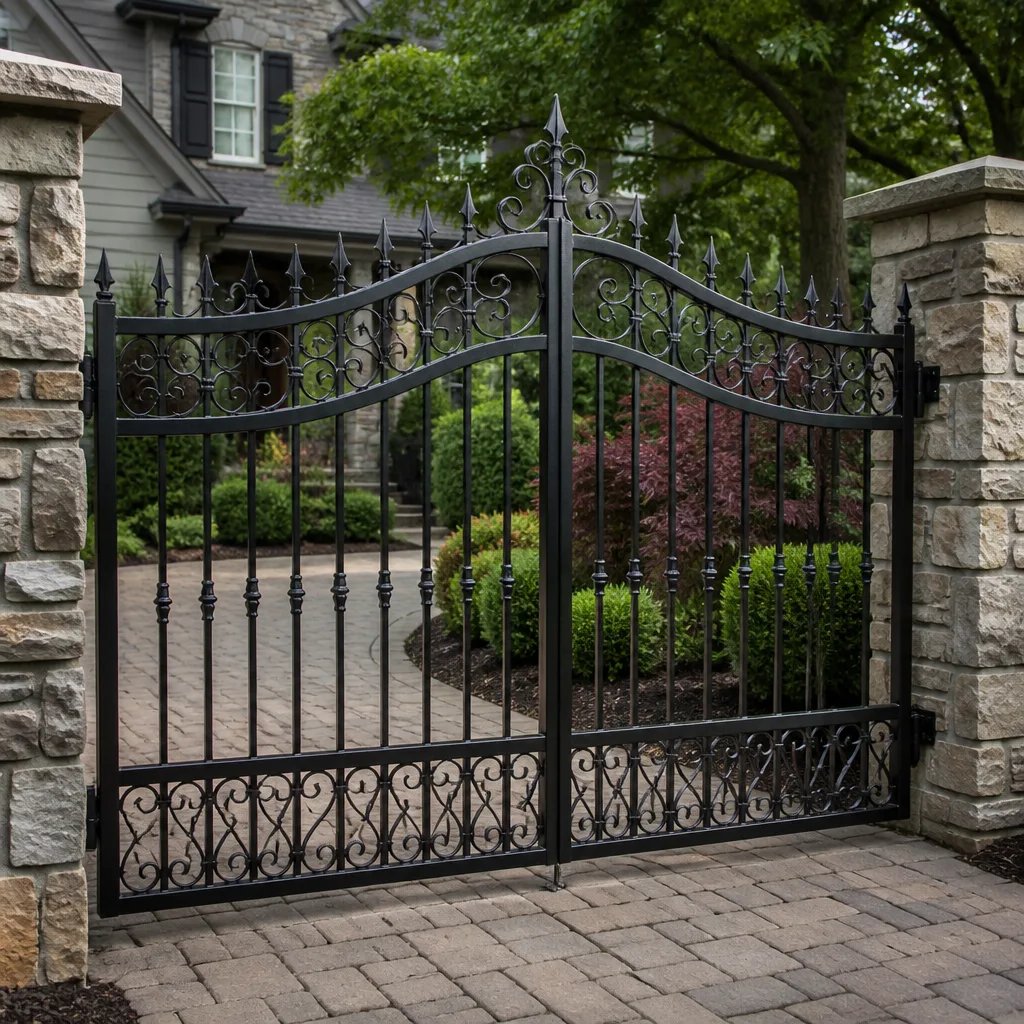 Wrought iron
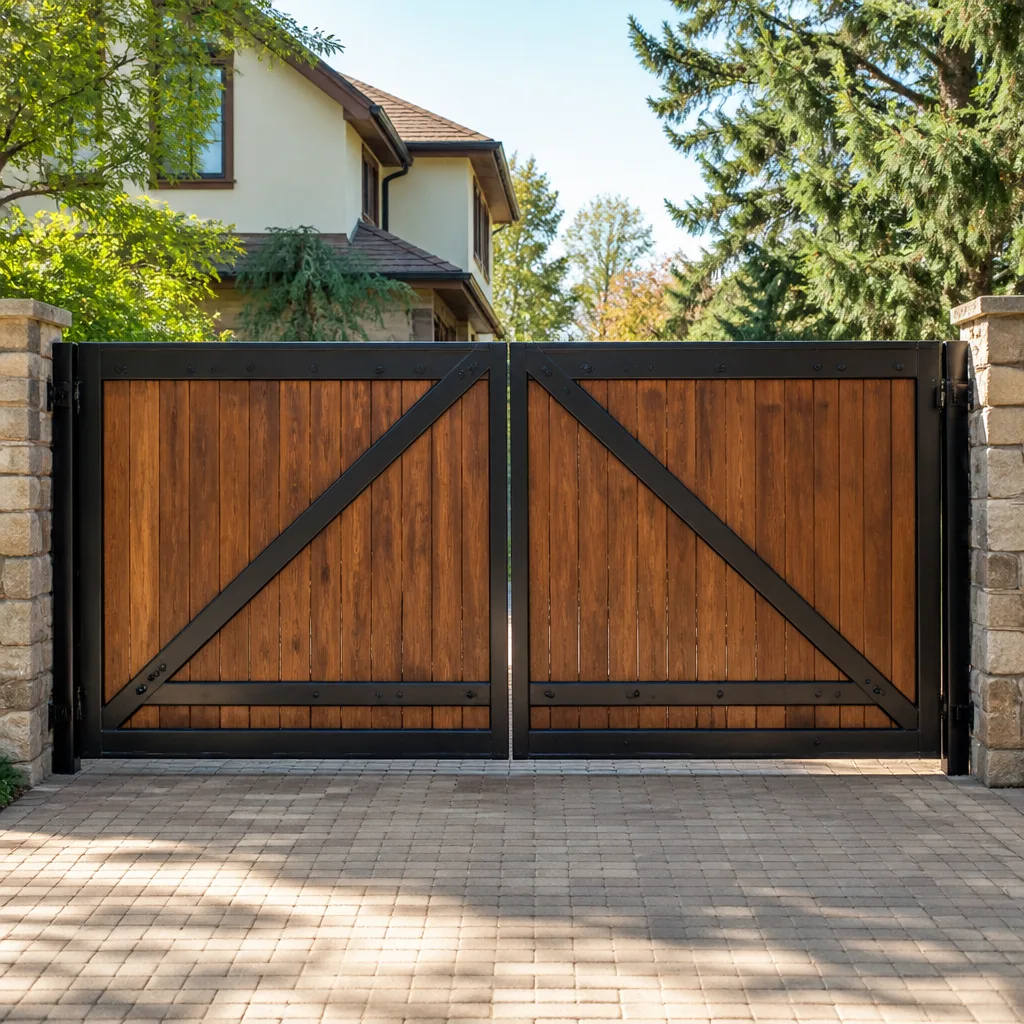 Wood & steel frame
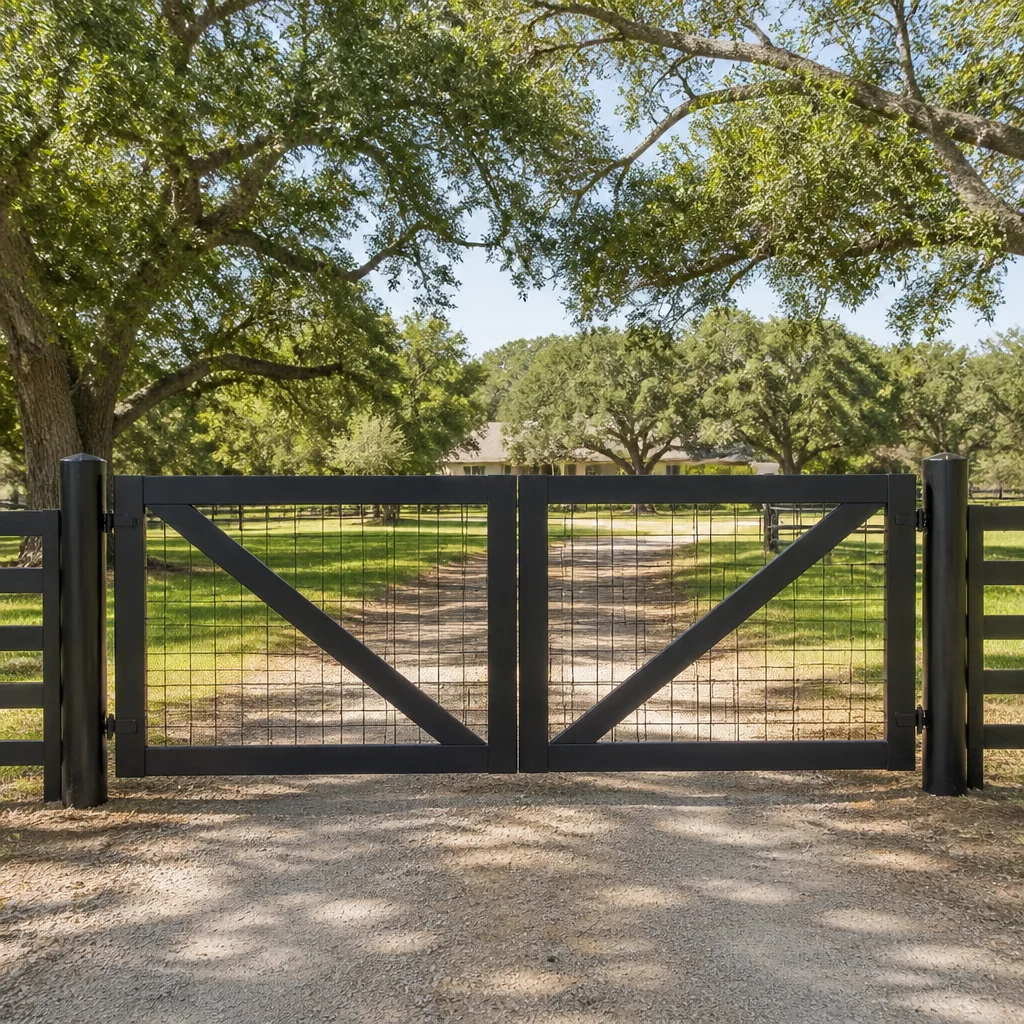 Farm & ranch
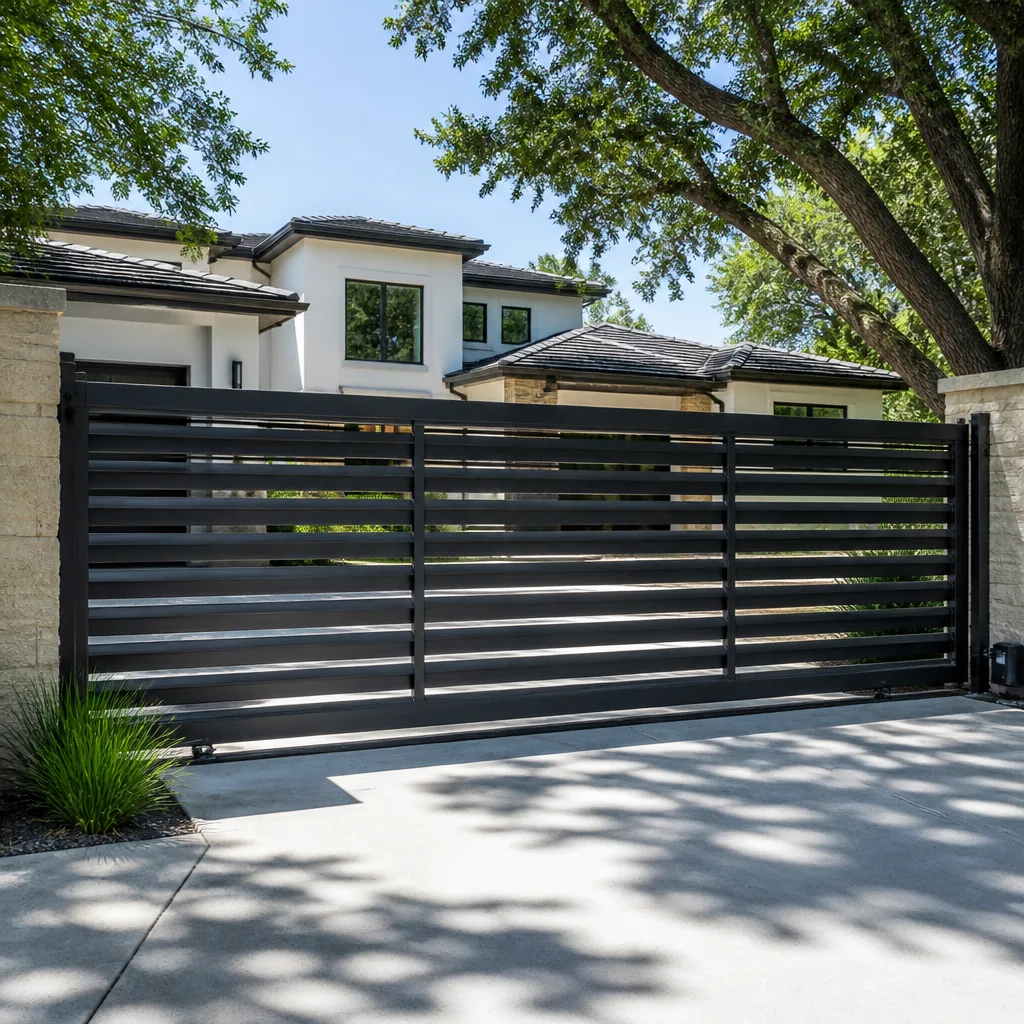 Sliding driveway gates
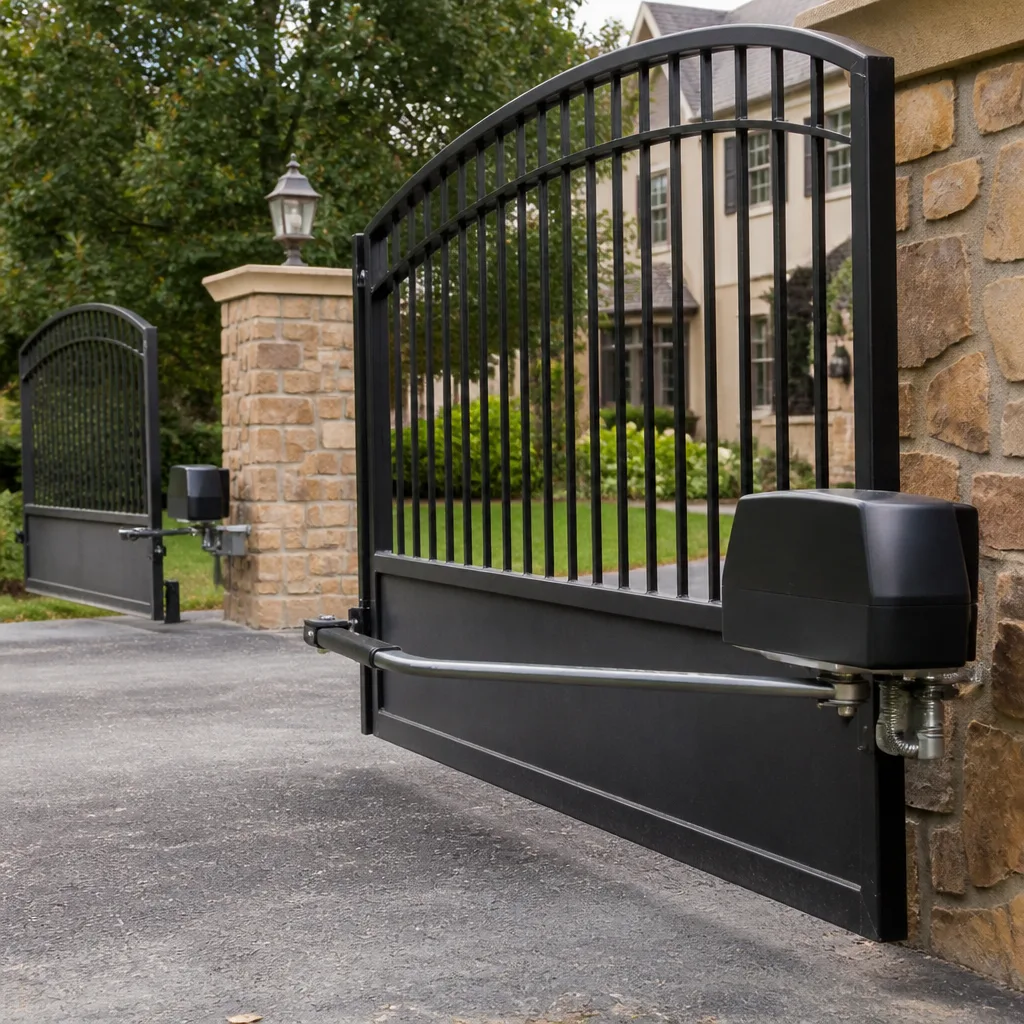 LiftMaster operators
Free on-site gate assessment - hinges, posts, and your LiftMaster or Nice gate operator checked before anything is quoted
The assessment is free and the quote is the invoice.
Get your free estimateDIY vs Professional Gate Repair: The Northbrook Homeowner’s Decision Guide
Replacing a gate hinge yourself is reasonable. Replacing a gate operator yourself in Illinois without pulling an electrical permit is a code violation, no matter how well you can read a wiring diagram. Most DIY-versus-pro debates argue about confidence and skill, and that argument misses the point. Gate work splits by system layer. Mechanical parts answer to a wrench and a little patience. Electrical and control work answers to the National Electrical Code, to UL 325, and to your insurance carrier if something goes wrong later. This guide draws that line component by component for Northbrook homeowners and property managers, so you know which repairs belong on your Saturday list and which ones put your gate, your wiring, and your liability at risk.
Quick Answer
Homeowners can safely handle mechanical gate maintenance: cleaning the track, lubricating hinges and rollers, clearing obstructions from the photo-eye path, and adjusting a limit switch per the manufacturer’s manual. Anything touching line voltage, the control board, the operator’s internal wiring, or the safety reversal system belongs with a trained technician, and in Northbrook an operator replacement generally needs an electrical permit. If your gate is an automated swing or slide system, the honest dividing line is the low-voltage control side versus the 120-volt side, not how handy you are.
Styles & brands we work with
- Wrought iron
- Wood & steel frame
- Farm & ranch
- Sliding driveway gates
- LiftMaster operators
Table of Contents
- Why the DIY Question Is About System Layers, Not Skill
- What Northbrook Homeowners Can Safely Do Themselves
- Illinois Electrical Code and UL 325: Why Operator Work Isn’t DIY
- The Parts-Sourcing Problem: OEM Boards and Brand Lockouts
- A Real Cost Comparison: The $65 Fix That Costs $400
- When DIY Troubleshooting Is Actually Valuable
- Brand Fluency Matters: BFT, Linear, Viking, and Ghost Controls
- Northbrook Weather and Gate Wear
Why the DIY Question Is About System Layers, Not Skill
A residential gate system has three layers, and each one carries a different risk profile. The mechanical layer includes the gate leaf itself, hinges, rollers, the track, the strike post, and the latch. The low-voltage control layer includes the photo-eyes, the safety edges, the keypad, the loop detector, and the low-voltage terminals on the control board. The high-voltage layer includes the 120-volt supply feeding the operator, the transformer, and the operator’s internal board where line voltage lands. Most confusion comes from treating all three as one job.
In our experience, homeowners who call us after a failed DIY attempt almost always crossed from the mechanical layer into the electrical layer without realizing it. They started by adjusting a hinge and ended up pulling the control board because the gate reversed halfway. Those are two different repair categories with two different safety profiles.
Think of it this way:
- Mechanical layer: homeowner-serviceable with basic tools and the operator manual.
- Low-voltage control layer: borderline. Terminals and photo-eye alignment are often fine. Board-level diagnosis is not.
- High-voltage layer: licensed electrician or trained gate technician only in Northbrook and across Illinois.
The layer distinction also explains why “I’m pretty handy” doesn’t settle the question. A very capable DIYer can do more mechanical work than an unhandy neighbor. Neither of them should be rewiring a 120-volt operator feed without a permit and the training to do it right. The line moves with the component, not with the person holding the screwdriver.
What Northbrook Homeowners Can Safely Do Themselves
There is a genuine list of maintenance tasks that belong in homeowner territory. These are the ones we tell callers they can skip the service visit for, because they don’t touch electrical components and they don’t disturb safety-critical adjustments.
- Clear the track and rollers. Debris, packed leaves, and grit from a Northbrook winter cause most of the binding complaints we hear. A stiff brush and a shop vac handle this.
- Lubricate hinges and rollers. A light lithium grease on hinge pins and a silicone spray on rollers quiets a squealing swing gate and slows wear. Do not grease the track itself.
- Wipe the photo-eye lenses. Dirty safety sensors cause more phantom “gate reverses for no reason” calls than any other single cause. A soft cloth and a little glass cleaner fix it.
- Clear obstructions from the safety beam path. A branch, a landscaping light, or a shifted paver in the beam path will stop a gate mid-travel every time.
- Adjust a limit switch if the operator manual walks you through it. Some brands, including several Ghost Controls models, publish clear homeowner instructions. Follow them exactly, and stop if the gate doesn’t respond as the manual predicts.
- Tighten visible fasteners. Loose hinge bolts and gate-post brackets are common on older Northbrook properties and easy to snug down with a socket set.
One rule sits above all of these: if a task requires opening the operator housing, removing a cover that exposes wiring, or touching anything connected to the 120-volt feed, stop. That’s the boundary.
For anything beyond this list, gate repair is a better starting point than a DIY attempt, because a trained technician can tell you in one visit whether the problem is mechanical, electrical, or access-control related.
Illinois Electrical Code and UL 325: Why Operator Work Isn’t DIY
Gate operator replacement in Northbrook is not a DIY job, and the reason is regulatory, not technical. Illinois adopts the National Electrical Code at the state level, and most municipalities, including Northbrook, require an electrical permit for new or replaced hardwired equipment. A permit means an inspection. An inspection means the work has to meet code. That chain does not care how carefully you followed a YouTube tutorial.
UL 325 is the safety standard that governs gate operators, and it covers more than the motor. It covers entrapment protection: the photo-eyes, the safety edges, the inherent reversing logic, and the placement rules that keep a gate from closing on a person, a pet, or a vehicle. Replacing an operator without re-verifying the entire UL 325 safety chain leaves you with a gate that may run but doesn’t meet the standard it was built to. If someone is injured, that gap becomes a liability question your homeowner policy may not cover.
There’s a second layer most homeowners don’t think about until it bites them: the disconnect and the branch circuit. A proper installation includes a means to disconnect power at the operator, correct wire gauge for the run, and proper grounding. Getting any of those wrong is a fire and shock risk that shows up years later, not on the day of install.
We’re not suggesting every homeowner needs a licensed electrician on standby for a limit switch tweak. We are saying the moment the 120-volt side is in play, it’s a permit-and-inspection job in Northbrook. That applies to fully replacing an operator, adding a new power run to a gate that didn’t have one, and any repair that requires opening the high-voltage compartment.
The Parts-Sourcing Problem: OEM Boards and Brand Lockouts
The parts market decides a lot of DIY outcomes before the homeowner picks up a tool. Original equipment manufacturer control boards for most major gate brands are not sold direct-to-consumer. BFT, Linear, and Viking all route their board sales through authorized distributors and installing dealers, which means a homeowner trying to source a replacement board usually ends up on a resale marketplace with an uncertain part number, an uncertain revision, and no warranty.
What that looks like in practice:
- Wrong revision boards. Many operators have multiple board revisions across production runs. A board that physically fits may not match the firmware your operator expects, and the gate will fault in ways that look like a new problem.
- Gray-market parts. Boards pulled from another unit or sold without warranty can work for a week and fail without recourse. There is no manufacturer support behind them.
- Missing harnesses. Some boards ship with a harness, some don’t. “It doesn’t fit” is often a missing $12 harness, not a wrong board.
- Firmware mismatch on access-control boards. DoorKing and Elite access panels are especially sensitive here. A board swapped without matching the entry system’s firmware and configuration will not behave like the original.
This is one of the reasons a gate specialist shop matters. We can source OEM through the correct channel, match the revision to your operator, and know which parts interchange across models. If you’re weighing repair versus replacement on an aging operator, our guide to gate motor & opener service walks through the decision tree, including when a new operator is the better money.
A Real Cost Comparison: The $65 Fix That Costs $400
The most common costly DIY story we hear starts with a part under $100. A homeowner buys a replacement control board for around $65 from a resale listing, installs it, and the gate still doesn’t work. Sometimes the original board was fine and the actual fault was a $22 photo-eye. Sometimes the new board is the wrong revision and the operator now faults differently. Either way, the homeowner is out the $65, has a gate that’s still broken, and now needs a diagnostic visit that could have been the only visit.
Here’s a rough cost picture of the scenarios, based on what we typically see for Northbrook residential automated gates. These are estimates, and the written estimate we provide after diagnosing sets the final price.
| Scenario | Typical Estimated Cost |
|---|---|
| DIY attempt with no fix (wrong part + diagnostic visit needed) | $65 – $150 out of pocket, still broken |
| Professional diagnostic + simple repair (photo-eye, limit, wiring) | $150 – $300 |
| Professional diagnostic + control board replacement (correct OEM board) | $350 – $650, depending on brand and model |
| Full operator replacement with permit and safety-chain verification | Quoted per job after on-site assessment |
The other cost trap is the sunk-cost spiral. Once a homeowner has bought a board, they often buy a second part to try next, and a third. We’ve seen DIY bills cross the $200 mark before a technician is called, at which point the “DIY saves money” math has already flipped.
Speed matters too, when it matters. If a gate is stuck open on a commercial property or an HOA entrance, the cost of a few extra days of DIY troubleshooting can be measured in security exposure rather than parts. Call Gate Repair Northbrook at (855) 701-7091 if you’d rather skip the guessing, and we’ll give you a free estimate so the price is agreed before any work starts.
When DIY Troubleshooting Is Actually Valuable
There’s a specific kind of DIY effort that genuinely helps and that we actively encourage: careful documentation. A homeowner who has watched the gate fail, noted the pattern, and written down the error code has done real work that shortens the diagnostic visit and often reduces the labor cost, because the technician isn’t starting from zero.
Here’s what to capture before calling us:
- The error code, verbatim. Most operators with a control board flash a code or show it on a display. Write down the exact characters. “It blinks twice fast and then once slow” is genuinely useful information.
- When it fails. On open, on close, both directions, only after a certain number of cycles, only in the morning, only after rain. Pattern matters.
- What the gate does physically. Stops short, reverses, doesn’t move at all, moves slowly, makes a new noise.
- The operator brand and model. LiftMaster, FAAC, BFT, Linear, Viking, Ghost Controls, DoorKing, Elite, Mighty Mule, or others. The model number is on a label on the housing.
- Recent changes. New keypad, new photo-eye, new landscaping near the beam path, new driveway work that disturbed wires.
- What you’ve already tried. Be honest about parts substitutions and adjustments, because it changes what we check first.
What doesn’t help: probing the board with a multimeter, swapping parts to see if they help, or “resetting” the operator by cutting power repeatedly. Those steps introduce variables that make diagnosis harder and can cause secondary damage.
If your gate has a keypad, intercom, or loop detector, the same documentation approach applies. Note which entry method fails and which still works. That alone tells us whether the fault is in the operator, the access panel, or the wiring between them.
Brand Fluency Matters: BFT, Linear, Viking, and Ghost Controls
Gate operators aren’t interchangeable, and brand fluency changes what a diagnostic visit looks like. The BFT line, common on swing gates and heavier residential systems, has fault codes and board layouts that don’t resemble a Linear or a Ghost Controls unit. Linear is widespread on residential slide gates. Viking operators show up on both residential and lighter commercial gates in Northbrook. Ghost Controls is popular on newer residential installs because its setup is homeowner-friendly, but “homeowner-friendly setup” is not the same as “homeowner-serviceable board.” Each brand has its own error-code language, its own board revisions, and its own parts channel.
What brand fluency looks like on a real visit:
- We open the housing and check the specific terminals that fail most often on that brand, rather than working down a generic checklist.
- We can name the likely cause from the error code before we touch a multimeter, then confirm it.
- We know which brands ship OEM boards through which channel, so we’re sourcing the right revision the first time.
- We can tell you when a Linear is a good replacement for a tired Mighty Mule on your specific gate geometry, and when it isn’t.
Our technicians have up to 12 years of experience across LiftMaster, FAAC, BFT, Linear, Viking, Ghost Controls, DoorKing, Elite, and Mighty Mule. That depth of coverage lets us serve both residential homeowners and commercial or HOA property managers in Northbrook without passing the job to a second contractor.
Access control adds another layer. If your gate entry uses a DoorKing or Elite panel, the repair may not be mechanical at all. It may be a dead loop detector, a corrupted keypad, or an intercom call button that’s no longer signaling. Our gate access control service covers keypads, intercoms, and loop detectors, not just the operator.
Northbrook Weather and Gate Wear
A Northbrook gate lives through a wide swing in conditions. Summer heat and humidity expand wooden gates and make hinges bind. Fall brings leaf litter into track channels and onto photo-eye lenses. Winter freeze-thaw cycles work on gate posts and footing hardware, and de-icing salt spray from driveways and walkways attacks metal fittings. Spring thaw reopens ground around posts at older properties and shifts alignment on gates that were fine last fall.
Which is the seasonal pattern that produces most Northbrook repair calls:
- Fall: debris in tracks, photo-eye faults from leaves, limit switches drifting out of position.
- Winter: frozen hinges, gate refusing to move, torqued hinge pins from frost heave.
- Spring: binding rollers and track misalignment from ground movement, plus post loosening.
- Summer: binding wooden gates from humidity, and overheating operators on commercial high-cycle gates.
Seasonal maintenance, done in the mechanical layer, prevents a lot of this. A few minutes of cleaning and lubrication at the right time of year is genuinely worth it. The electrical and control-layer repairs, when they come, are not seasonal homeowner tasks.
Common Mistakes to Avoid
- Replacing the control board before replacing the photo-eye. Roughly half the time a homeowner buys a board, the actual fault is one dead sensor or a misaligned beam. Test the low-cost components in order, not by guess.
- Cutting power repeatedly to “reset” the operator. A hard power cycle clears fault codes that a technician needs to see, and on some brands it corrupts the operator’s travel limits. Leave the code in place.
- Buying a gray-market board from a resale listing. The format looks right, the revision doesn’t match, and there’s no warranty. In Northbrook, where a failed operator means a non-working entry system for a few days, the savings rarely hold.
- Adjusting the limit switch beyond the manual’s range. Some auto-reverse and entrapment settings are pre-set at the factory for UL 325 compliance. Pushing a limit switch past that range can take the gate out of compliance.
- Skipping the permit on an operator swap. Northbrook and most Illinois municipalities require an electrical permit for a hardwired operator installation. Skipping it puts the work outside inspection and can affect insurance.
- Greasing the track instead of the hinges. Track grease collects grit from fall leaves and winter salt and accelerates roller wear. Grease the hinge pins, lubricate the rollers, keep the track clean.
- Ignoring a failing safety edge on a commercial or HOA gate. A stuck safety edge that “mostly works” is an entrapment risk and will eventually stop the gate entirely. The repair is not a homeowner-sized job on a high-cycle operator.
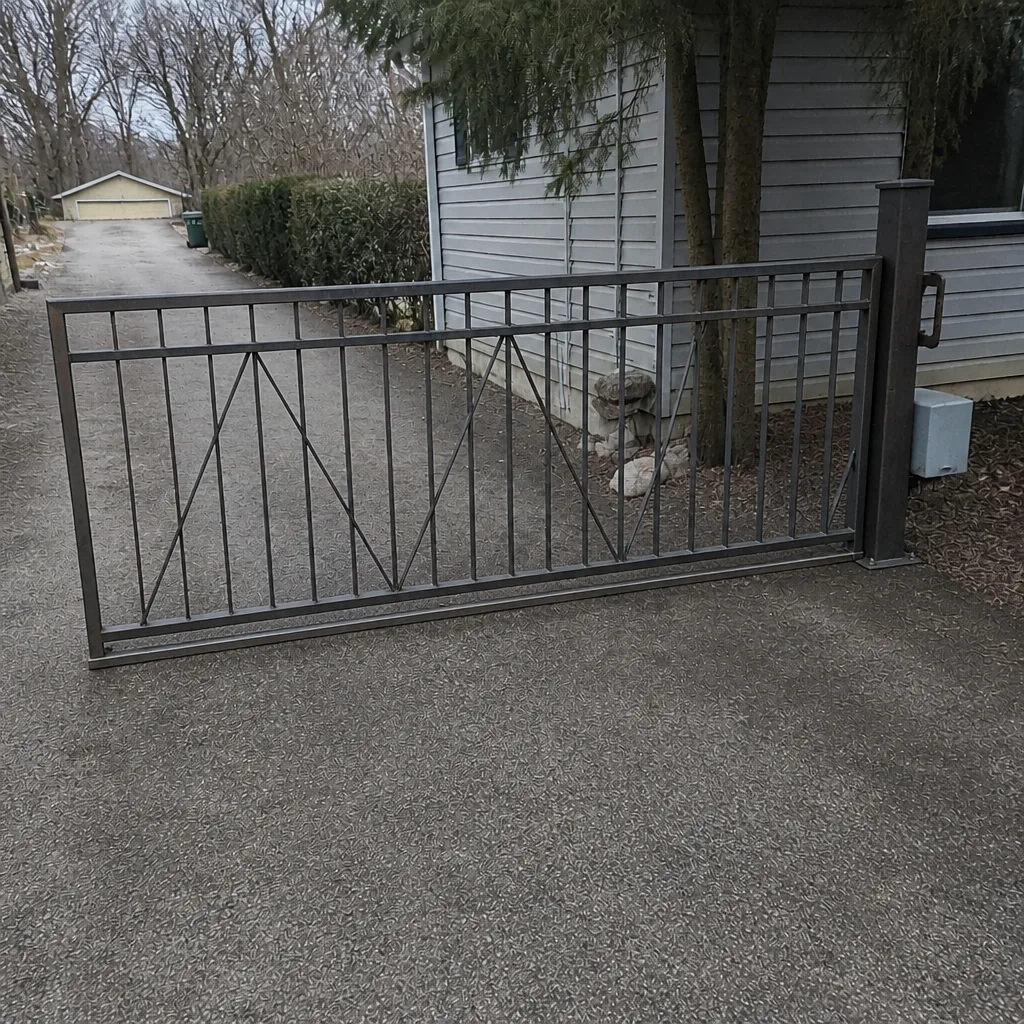
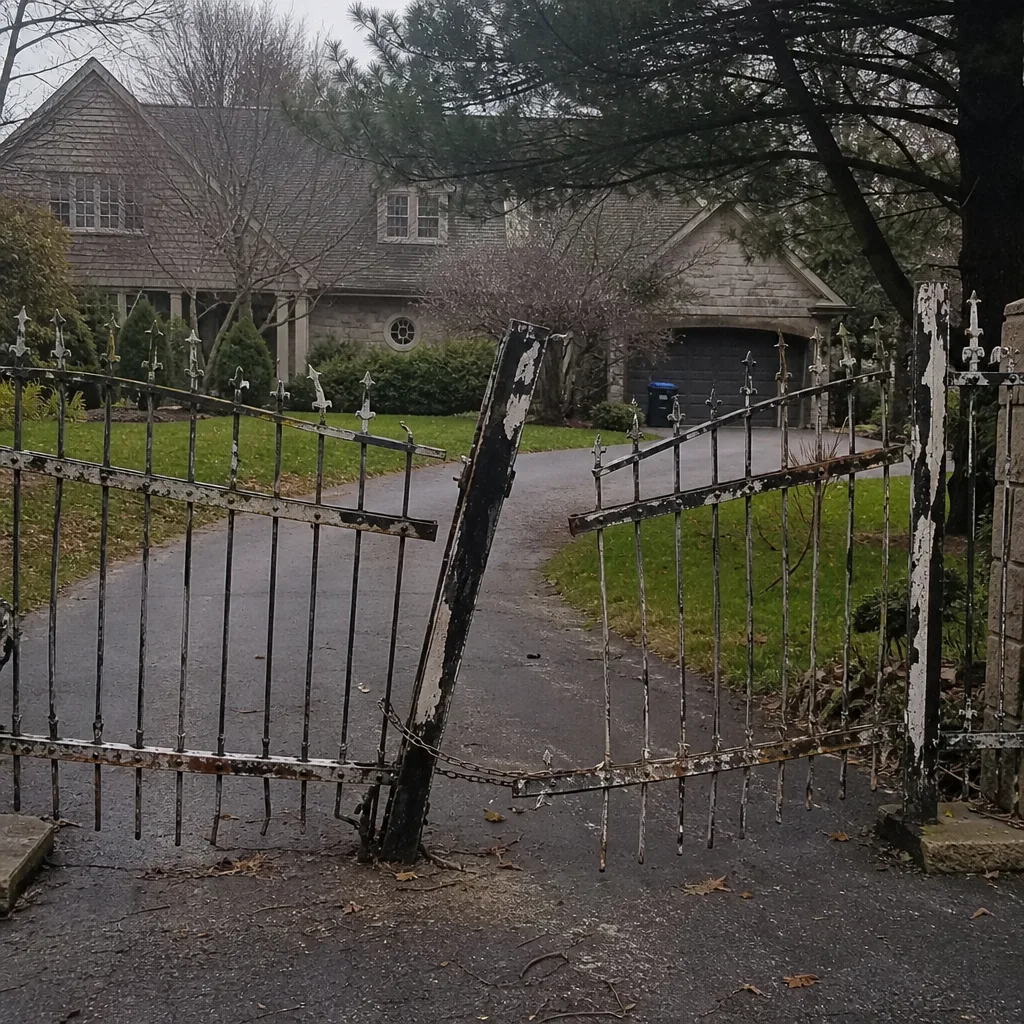
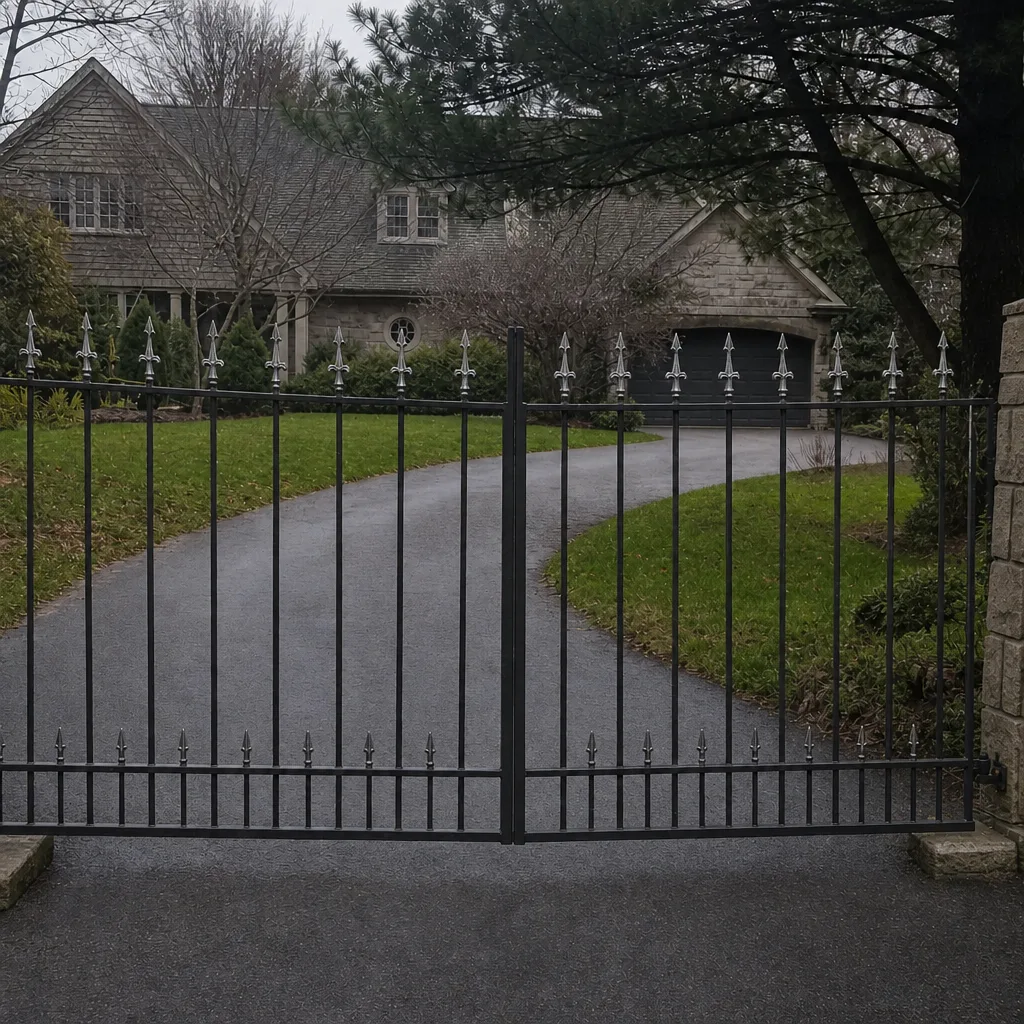
See the difference
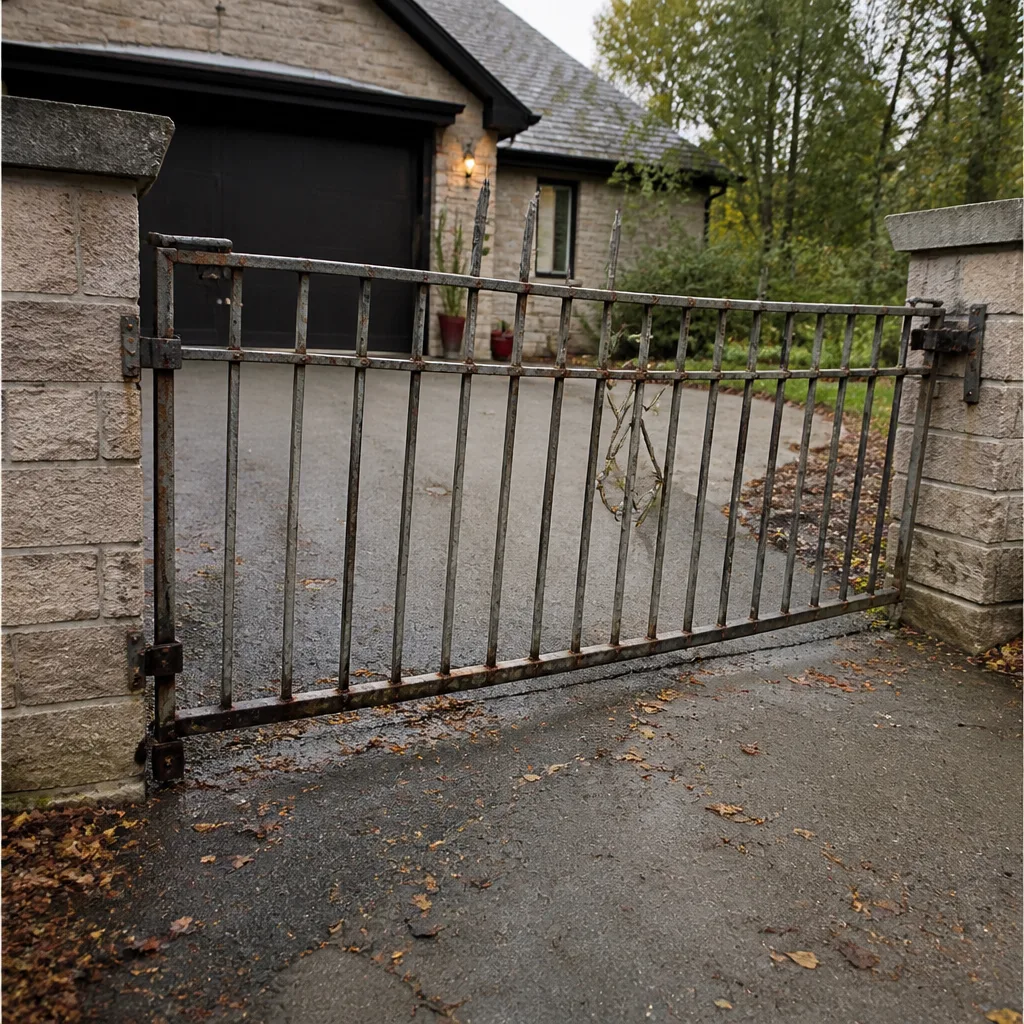 Before
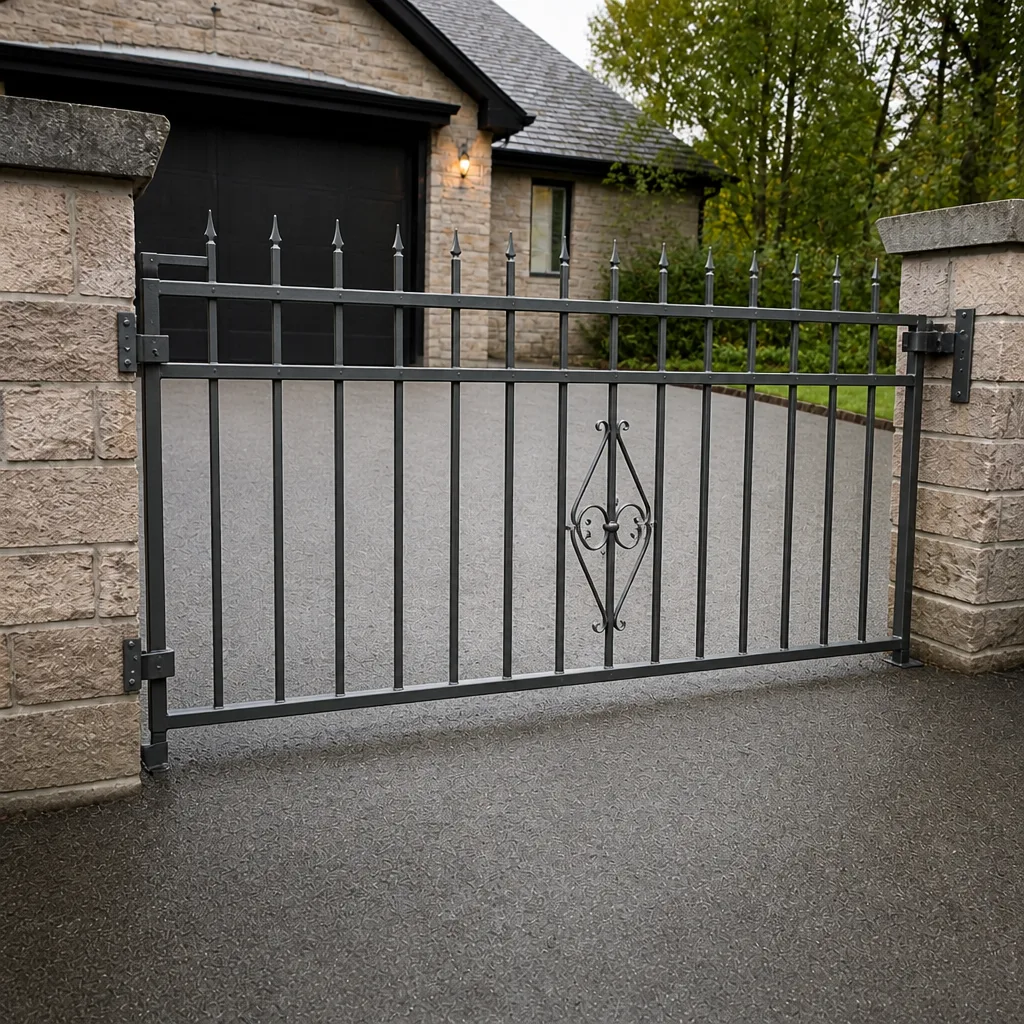 After
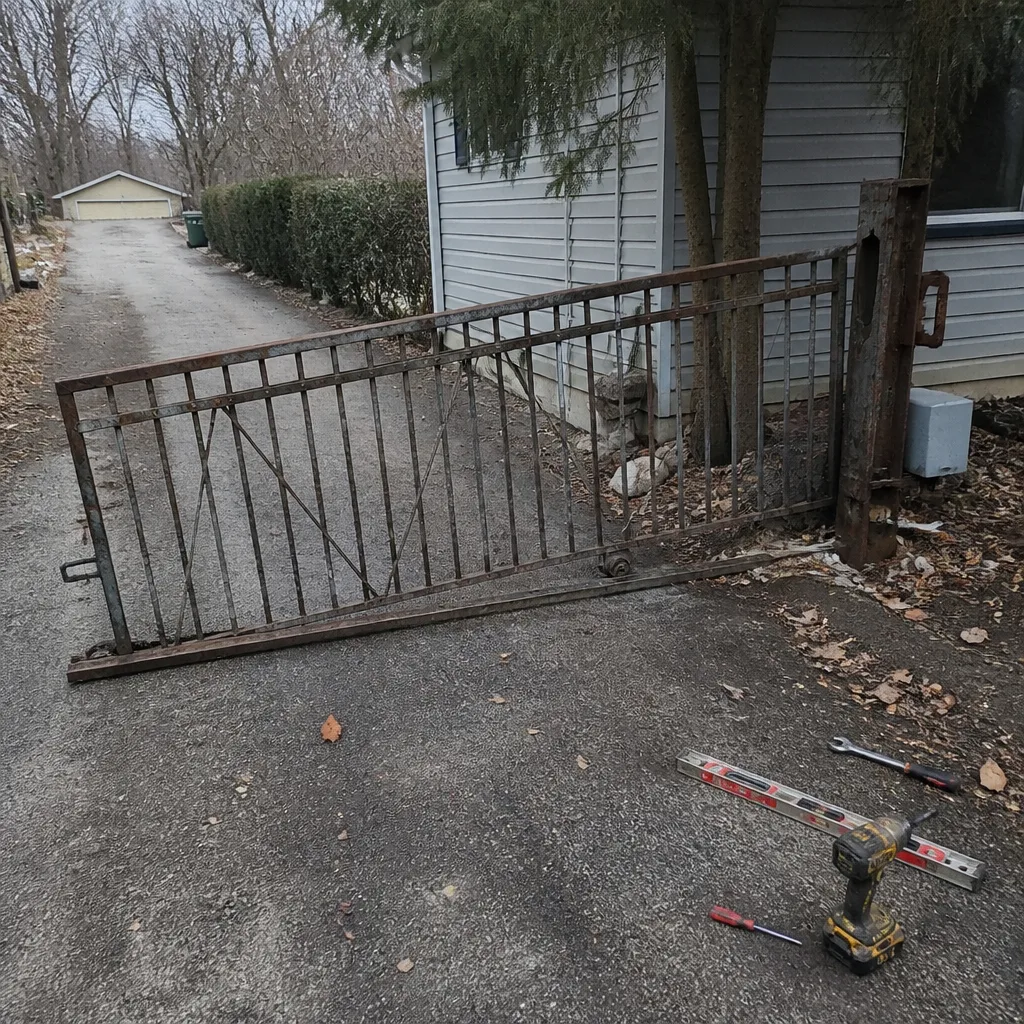 Before
 After
 Before
 After
When to Call a Professional
Call a trained gate technician when any of the following is true: the operator won’t respond to input at all; a fault code appears and stays after one reset attempt; the gate reverses without an obvious obstruction; the safety edges or photo-eyes don’t respond to a hand test; the operator housing has visible moisture, insect damage, or scorching; the gate is on a commercial or HOA property; or the repair requires a new board, a new operator, or new wiring. In Northbrook, an operator swap also triggers the permit question, which by itself makes the DIY route a poor choice. We can also handle smaller mechanical repairs, and we don’t think you should stop calling for a binding hinge just because it’s small. Gate Repair Northbrook offers free estimates in Northbrook, and the price is quoted and agreed before any work starts. Call (855) 701-7091.
Frequently Asked Questions
In most Illinois municipalities, including Northbrook, a hardwired gate operator installation requires an electrical permit and an inspection, which makes a true DIY replacement a code violation if done without them. Even setting the permit aside, UL 325 entrapment protection has to be verified after replacement, and that verification is the part most homeowners don’t know how to do. If your operator has failed, we’d rather see you call than risk a gate that runs but doesn’t meet the safety standard.
Sometimes, yes. Most phantom “reverses for no reason” faults come from dirty or misaligned photo-eyes, debris in the beam path, or a failing safety edge, and cleaning the lenses is a genuine homeowner fix. If cleaning and inspection don’t solve it, or if the reverse behavior persists on a brand like BFT or Linear without a visible cause, it’s time for a technician to test the safety chain component by component. Call (855) 701-7091 for a free estimate.
Most gate brands sell OEM control boards through authorized distributors and installing dealers rather than direct-to-consumer channels. Boards sold on resale sites may match the shape but not the firmware revision, and they carry no manufacturer warranty. For a Linear, BFT, or Viking operator, the correct revision matters, which is why we source through the right channel.
Typical estimated repair costs in Northbrook run $150 – $300 for a simple diagnostic plus mechanical or low-voltage repair, and $350 – $650 for a board replacement with the correct OEM part. Full operator replacements are quoted per job after an on-site assessment, because permit and safety-chain requirements vary by gate. The written estimate we provide sets the final price, and the price is agreed before any work starts. Call (855) 701-7091 for a free estimate.
Most mechanical repairs do not require a permit, but a new or replaced hardwired operator generally does. Northbrook, like most Illinois municipalities, treats the electrical work as permitted electrical work, which is why operator replacement is not a homeowner job. Ask the city’s building department directly for your specific property, and if you’re also installing a new gate, our team can walk you through what an on-site estimate looks like.
Commercial-grade operators are rated for higher cycle counts and typically carry brands like FAAC, BFT, or DoorKing, while residential operators use brands like Mighty Mule, Ghost Controls, or a residential-model LiftMaster. The label on the operator housing usually names the brand and model, and that tells a technician which diagnostic path applies. If the label is illegible or worn, photograph the housing and call us at (855) 701-7091 and we’ll identify it.
The Bottom Line
The DIY question for gate repair in Northbrook isn’t about how capable you are. It’s about which layer of the system you’re working on. Mechanical maintenance, from clearing the track to lubricating hinges to cleaning photo-eye lenses, is genuinely homeowner territory and worth doing. Anything that opens the operator housing and exposes the electronics, anything that involves line voltage, and anything that changes the safety chain belongs with a trained technician, and in Northbrook that generally means a permit and an inspection. Document what you’ve seen, write down the error code, and call before you buy parts. Brand fluency matters more than a how-to video, and the price you agree to before the work starts is the price you’ll pay. Call (855) 701-7091 for a free estimate.
Written by the team at Gate Repair Northbrook.