Last updated November 25, 2026
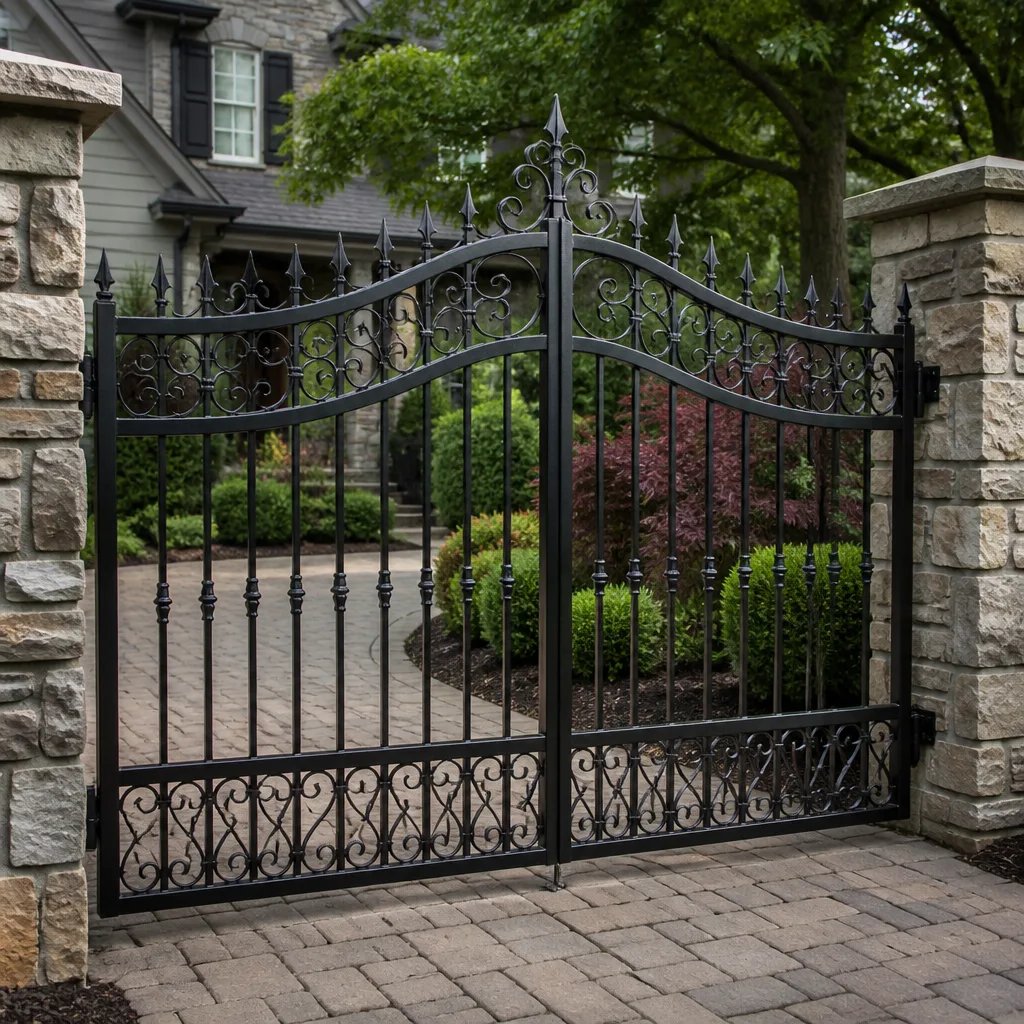 Wrought iron
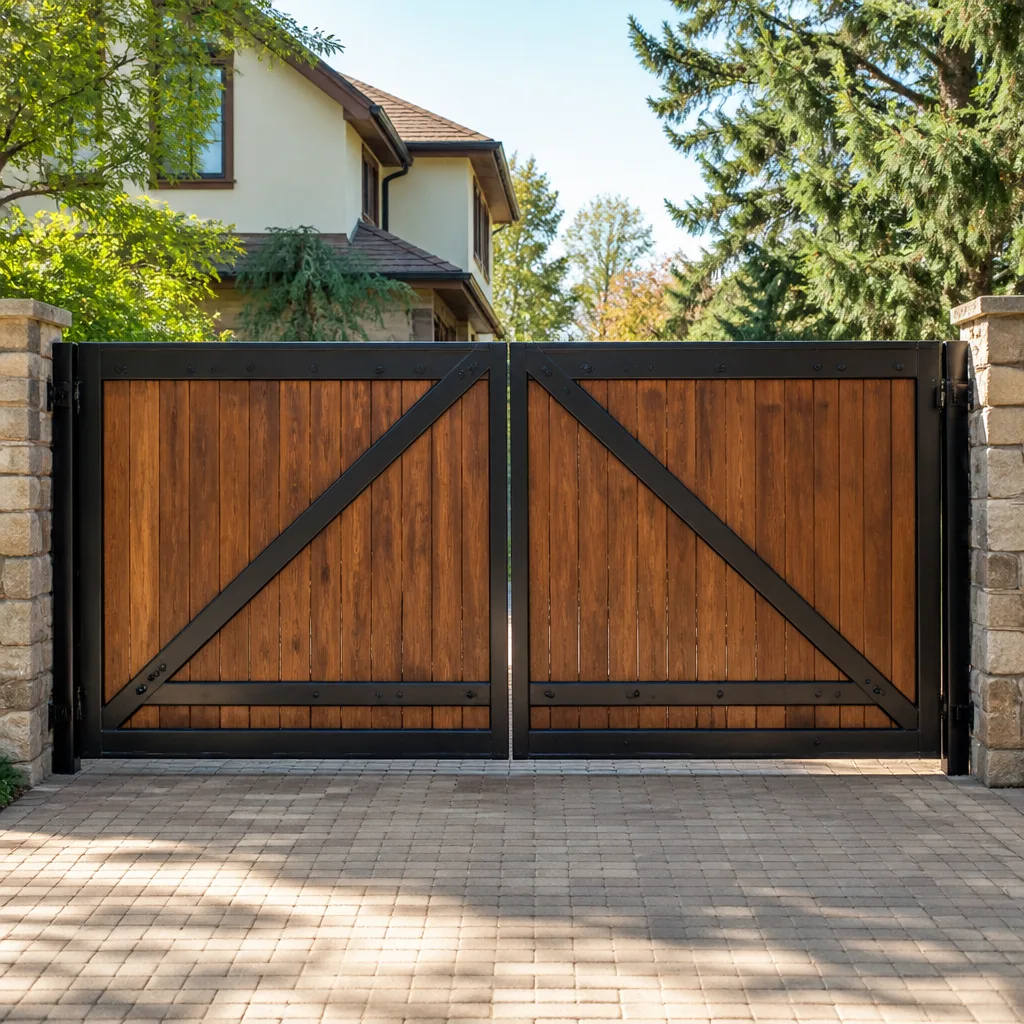 Wood & steel frame
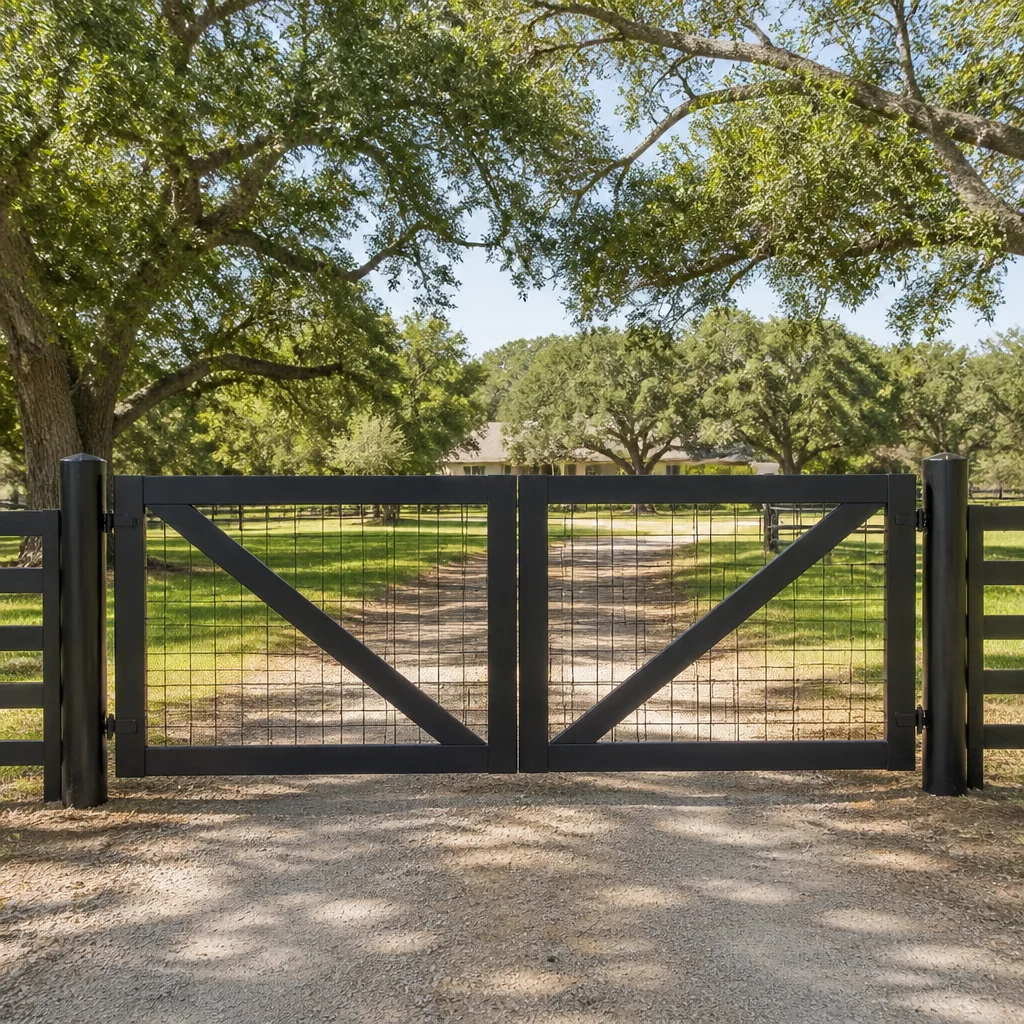 Farm & ranch
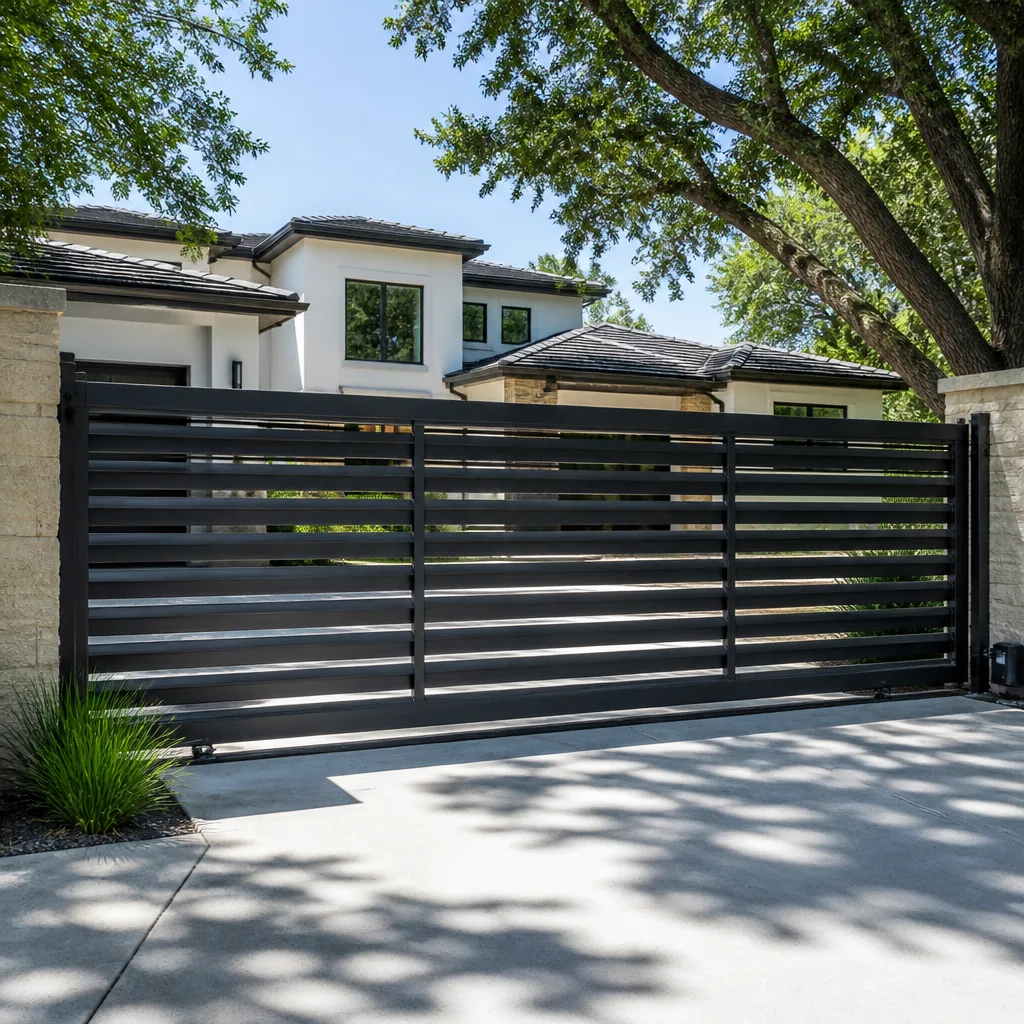 Sliding driveway gates
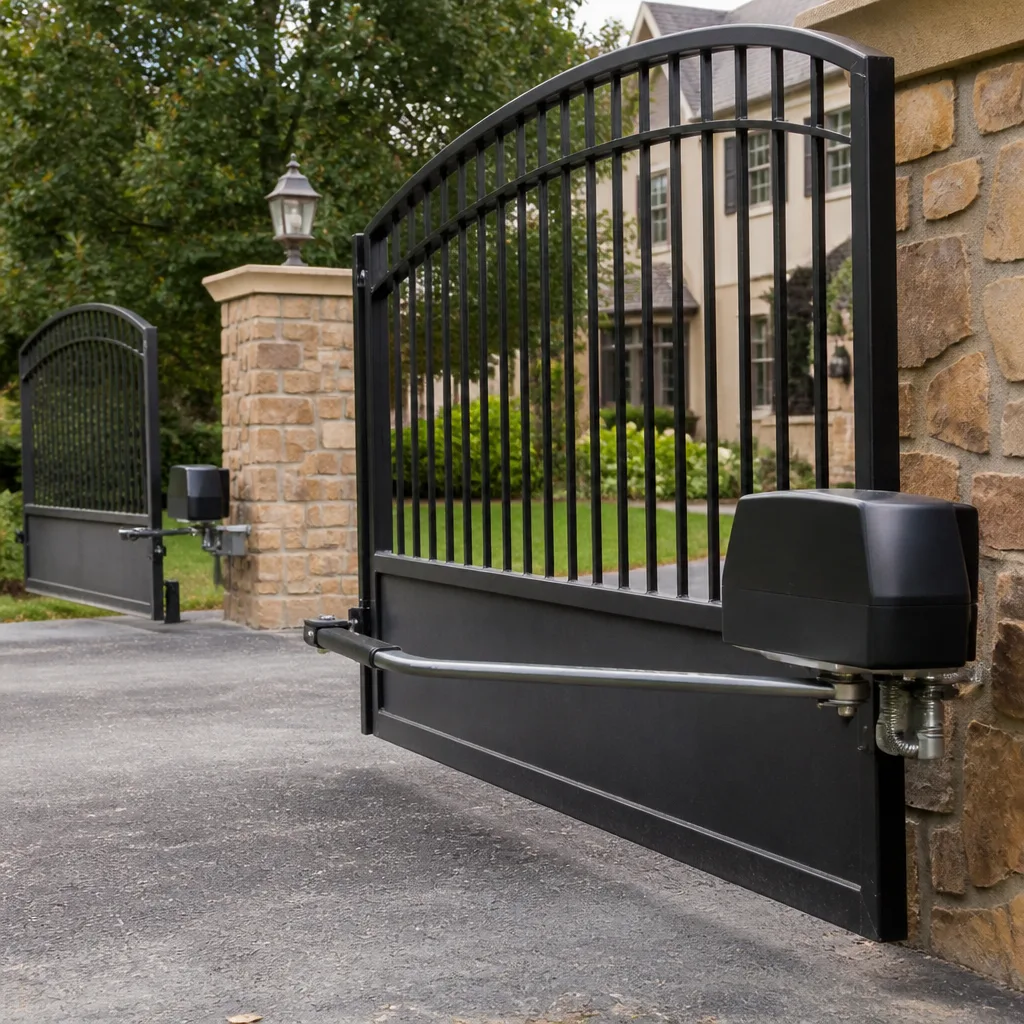 LiftMaster operators
Free on-site gate assessment - hinges, posts, and your LiftMaster or Nice gate operator checked before anything is quoted
The assessment is free and the quote is the invoice.
Get your free estimateGate Repair Emergency Preparedness Guide for Northbrook Homes
A gate that fails closed traps your car. A gate that fails open leaves your driveway exposed. Most Northbrook homeowners don’t find out which one their system does until a power outage strands them in the rain at 11pm. Here’s the part nobody warns you about: emergency releases are brand-specific. The manual release on a FAAC operator sits in a completely different spot than it does on a Viking or a LiftMaster, and the dark after a storm is a terrible time to learn where yours is. This guide walks you through fail-safe vs. fail-secure setups, brand-specific release procedures, how to move a stuck gate without wrecking the rack, temporary security when a gate won’t close, and the details to document now so a repair call doesn’t stall later.
Quick Answer
Emergency gate preparedness in Northbrook means knowing three things before a failure: whether your operator is configured fail-safe (opens on power loss) or fail-secure (stays locked), where your brand’s manual release lever is, and how to disengage the operator safely without bending the rack or hinges. Document your operator model, control board info, and access credentials, then practice the release once in daylight. That preparation turns a midnight crisis into a five-minute fix.
Styles & brands we work with
- Wrought iron
- Wood & steel frame
- Farm & ranch
- Sliding driveway gates
- LiftMaster operators
Table of Contents
- Fail-Safe vs. Fail-Secure: Which Mode Is Your Gate In?
- Where Your Manual Release Actually Is (LiftMaster, FAAC, BFT)
- How to Move a Gate Stuck Mid-Travel Without Damaging It
- When the Gate Fails Open: Temporary Security That Works
- The Information to Document Before You Need It
- Power, Weather, and Northbrook’s Seasonal Gate Stress
- Running a Practice Drill in Daylight
Fail-Safe vs. Fail-Secure: Which Mode Is Your Gate In?
The first thing to understand about any automated gate is what it does when the power drops. Operators are configured one of two ways, and the setting determines your entire emergency plan.
- Fail-safe means the gate opens (or stays open) when power is lost. This is the common choice for residential driveways and any gate that serves as a primary vehicle exit, because nobody gets trapped. The trade-off is obvious: your property is now open.
- Fail-secure means the gate stays closed and locked when power is lost. This is typical for commercial properties, gated communities, and high-security entrances. Nobody gets in without credentials, but nobody gets out by vehicle either.
Some operators run on battery backup instead of either mode, which keeps normal operation going for a while after the grid drops. That’s a third scenario worth knowing about, because a battery that’s quietly dying will eventually hand you a surprise failure.
How to Find Out Which Mode You Have
- Check the operator’s manual or the label inside the housing for a fail-safe/fail-secure designation.
- Look for a battery backup unit. If one exists, your gate may keep running during an outage and neither mode applies until the battery drains.
- Call a gate specialist who knows your brand. We work on your brand at the component level, and confirming the configuration on a LiftMaster or FAAC operator takes minutes, not hours.
Northbrook homes sit on lots where the driveway is often the only vehicle exit, which makes fail-safe the sensible default for most residential swing and slide gates. Commercial and HOA properties on the same street may run fail-secure for good reason. Neither is wrong. What’s wrong is not knowing, so get this answered before you need it, ideally through a routine gate repair visit or a quick diagnostic call.
Where Your Manual Release Actually Is (LiftMaster, FAAC, BFT)
Every automated gate has some form of manual release so you can disengage the operator and move the gate by hand. The mechanism is not standardized across brands, and that’s exactly where people get stuck. Here’s how the three most common residential operators in Northbrook differ.
LiftMaster Operators
LiftMaster residential gate operators typically use a release key or lever located on or near the operator housing, with the release point often accessible from outside the gate line. On many models you insert a key, turn it, and pull a handle to disengage the drive. The key is the critical piece: if you don’t know where it is, you’re locked out of your own gate. Keep a copy somewhere you can reach without going through the gate itself.
FAAC Operators
FAAC swing and slide operators usually place the manual release on the operator body itself, often under a cover or accessed with a supplied release key. On articulated-arm swing operators, the release may be a lever on the arm assembly. FAAC is common on residential installations and on commercial properties, so the exact release location varies by model. Check yours specifically.
BFT Operators
BFT operators generally use a keyed release on the housing, similar in concept to FAAC but in a different physical spot on the unit. If your gate is BFT, never assume the release from a neighbor’s LiftMaster applies. It doesn’t.
The pattern here matters more than any single brand: the release lives on the operator, it usually needs a key, and its exact location is model-specific. Find yours in daylight, photograph it, and keep the key reachable. This is the kind of detail that gate motor & opener service technicians check as a matter of course, and it’s worth confirming on your own system.
How to Move a Gate Stuck Mid-Travel Without Damaging It
A gate that stops halfway is the most common emergency call we get, and the good news is that a gate that’s been properly released can almost always be moved by hand without harm. The damage happens when people force a gate that’s still engaged with the operator.
The Safe Sequence
- Cut power to the operator first. Find the breaker or the operator’s power switch and shut it off. This protects you and the control board.
- Engage the manual release. Use the brand-specific release key or lever to disengage the drive. You should feel the motor decouple; if it doesn’t, stop and don’t force it.
- Move the gate slowly by hand. Push from the gate frame, not the end of the leaf, so you don’t twist the panel or overload a hinge. Slide gates move along the track; swing gates rotate on their hinges. Move in the direction they were designed to travel.
- Watch the rack and hinges. A grinding noise or a sudden stiff point means something is binding. Stop. Forcing past a bind is how racks get stripped and hinges get bent.
- Secure the gate open or closed once it’s where you need it, and leave the operator disengaged until a technician looks at it.
Two things reliably cause mid-travel failures: an obstruction or misalignment the gate hits, and a component failure in the operator or its safety system. Loop detectors, safety edges, and photo eyes all feed into whether the operator will move the gate at all, and a false trigger from any of them mimics a mechanical failure. If your gate reverses or stops at the same spot every time, suspect the safety circuit before you suspect the motor.
What Not to Do
- Don’t force a gate that’s still engaged with the motor. You’ll damage the gearbox or the rack.
- Don’t prop a heavy gate open with a brick balanced on the panel edge. Use something stable at the frame.
- Don’t climb over or squeeze past a gate stuck in a half-open position. That’s how people get pinned. A heavy gate panel can crush, and a slide gate that’s off its track can fall.
When the Gate Fails Open: Temporary Security That Works
A gate that won’t close is a security problem, and the instinct to “just chain it shut” often doesn’t hold up. Here’s what actually buys you real protection until the gate is fixed.)
What Actually Works
- A physical barrier the gate can’t defeat. A vehicle parked across the opening, or a heavy-duty chain or cable rated for the job, secures the opening better than anything that relies on the gate’s own mechanism.
- Locking the gate leaf in the closed position and disengaging the operator. If the gate fails safe-closed, release the operator and manually close it, then lock it. This removes the automation from the equation entirely.
- A call to a specialist the same day. The fastest path to real security is a proper diagnosis and repair. Prompt gate access control service will find out why the gate won’t close, whether it’s a loop detector, safety edge, or control board issue, and fix it at the component level.
What Creates a False Sense of Security
- A padlock on a gate whose hinges or track are already compromised. The lock holds; the gate doesn’t.
- Relying on the operator to stay closed when it’s the thing that failed.
- Zip ties, bungee cords, or rope on a heavy gate. They snap or stretch under the weight.
If your property has a loop detector or intercom system that’s misreading and holding the gate open, you have a control problem, not a mechanical one, and that’s a different repair. For Northbrook properties still weighing how to handle an open gate overnight, the safest answer is usually a physical barrier plus a morning call, not something improvised from the garage.
The Information to Document Before You Need It
Emergency repair calls stall for one predictable reason: nobody knows what system they have. A technician who arrives knowing the operator model, the control board details, and the access configuration can diagnose by component instead of by guess. Here’s the short list to document and keep somewhere accessible, ideally in your phone and a printed copy.
- Operator brand and model. LiftMaster, FAAC, BFT, and others each have different parts, release procedures, and diagnostic codes. Knowing the brand up front saves time.
- Control board and firmware version, if it’s printed on the board or in the manual. Firmware matters for access control and operator behavior.
- Access credentials and configuration: keypad codes, intercom setup, and any DoorKing or Elite access system details. Don’t store the codes in plain sight; store the configuration summary and who to contact for resets.
- Gate type and dimensions. Swing or slide, single or double leaf, approximate weight and width.
- Where the manual release key is kept. This is the single most useful line on the list.
- Power source details. Which breaker feeds the operator, and whether there’s a battery backup.
Keep the whole thing to one page. A technician can find a lot from one clear photo of the operator’s spec label. If you’re not sure what you have, a diagnostic visit from the team behind Gate Repair Northbrook can document it for you, so the next call starts with answers instead of questions.
Power, Weather, and Northbrook’s Seasonal Gate Stress
Northbrook gets real winters, and cold changes how gates behave. Metal contracts, lubricants stiffen, and anything that was marginal in October can fail in January. The operator isn’t usually the first thing to give; it’s the mechanism and the safety system around it.
- Cold stiffens moving parts. Hinges, rollers, and tracks get tighter, which loads the operator and can trip its safety sensors into refusing to close the gate.
- Moisture freezes in the wrong places. Ice in a track or on a hinge point can stop a slide gate or bind a swing leaf. Clear snow and ice from the gate’s travel path rather than trying to force it through.
- Power interruptions are more common in storm season. If your operator runs fail-safe, an outage opens the gate; if it’s fail-secure, it stays locked. Either way, the release procedure you practiced in daylight is the thing that matters.
- Seasonal checks prevent surprises. A pre-winter look at the operator, safety edges, and hardware catches the marginal parts before the first hard freeze.
A gate specialist who sees Northbrook systems season after season learns the failure patterns specific to this climate. That’s not generic winter advice; it’s what actually goes wrong on a driveway gate here in February versus July.
Running a Practice Drill in Daylight
You wouldn’t test a smoke detector by waiting for a fire. The same logic applies to your gate. A five-minute drill in daylight, done once, is the whole difference between a calm manual release and a stranded car.)
Step-by-Step Gate Emergency Drill
- Find the manual release and the key. Locate them both. Confirm the key actually turns.
- Shut off operator power at the breaker or switch.
- Engage the release and feel the drive disengage.
- Move the gate by hand slowly, from the frame, watching for binding.
- Re-engage the release and restore power. Confirm normal operation.
- Write down what you noticed. Any stiffness, noise, or sticking point is a repair item, not a coincidence.
Do it once a season, before winter especially. If the release won’t engage, or the gate resists hand movement, that’s a real problem worth a call. It’s the kind of thing a technician catches quickly because 100% of our work is gate-related. Nothing else dilutes it.
Common Mistakes to Avoid
- Not knowing whether the gate is fail-safe or fail-secure. The single biggest preparedness gap is not knowing which failure mode your operator defaults to. Confirm it before the first power outage.
- Forcing a gate that’s still engaged with the operator. This strips racks and bends hinges. Always disengage the drive with the release before moving the gate by hand.
- Losing the release key. On LiftMaster, FAAC, and BFT operators the key is essential and model-specific. Keep a copy reachable from outside the gate line.
- Improvising overnight security on an open gate. Rope and zip ties fail under a heavy panel’s weight. Use a physical barrier the gate can’t defeat, and call in the morning.
- Squeezing past a stuck gate. A heavy panel that drops or a slide gate off its track can crush. Treat a jammed gate as a hazard, not an obstacle to climb.
- Assuming a control fault is a broken motor. Loops, safety edges, and photo eyes frequently mimic mechanical failure. Diagnose the safety circuit first.
- Calling a generalist for a brand-specific problem. A technician who knows your system diagnoses at the component level; a generalist guesses, and Northbrook winters waste no time exposing the difference.
See the difference
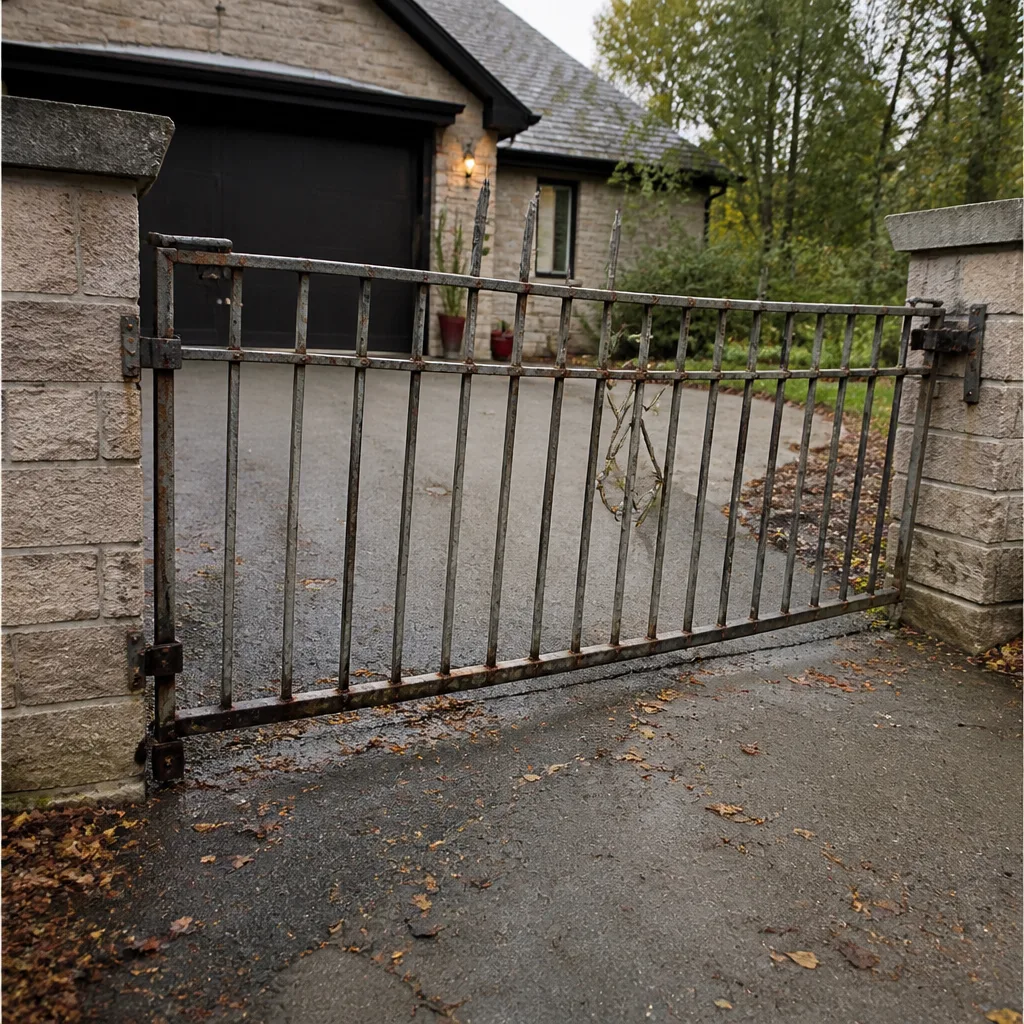 Before
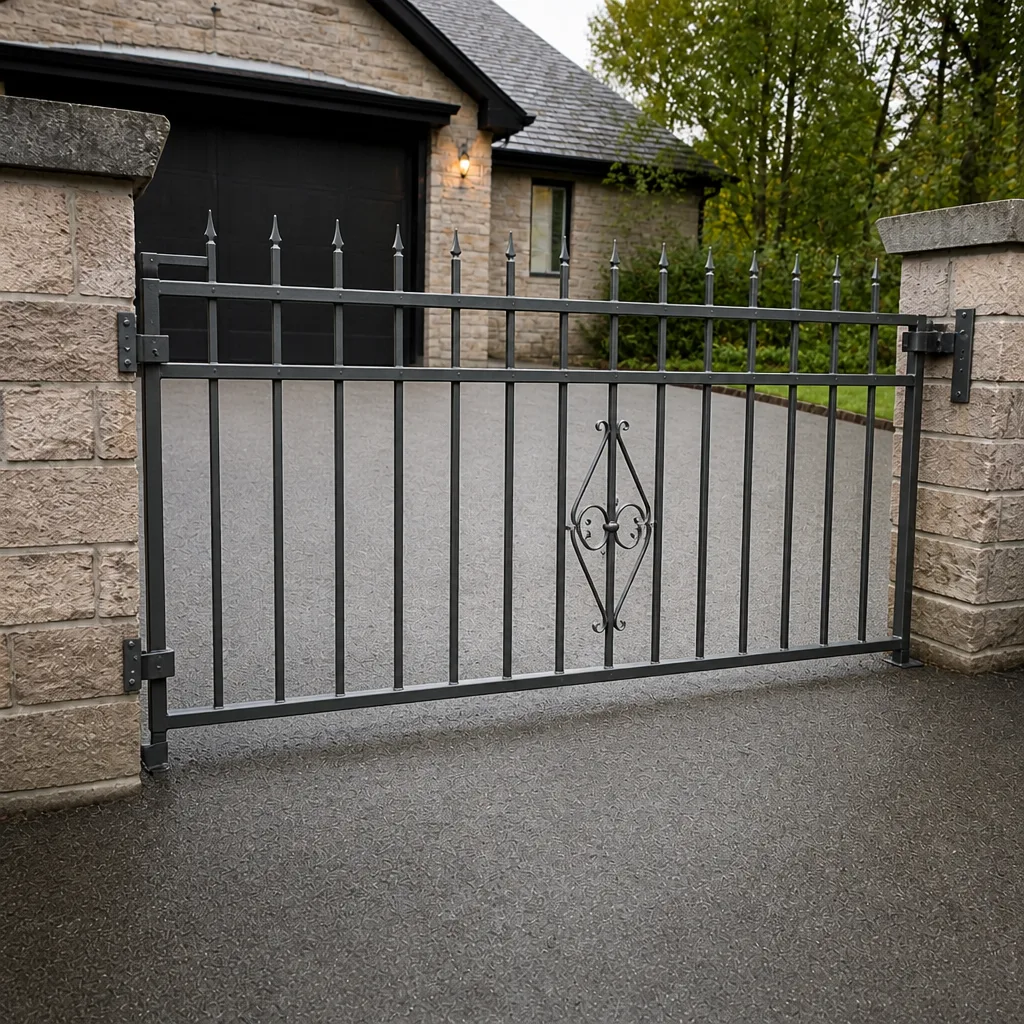 After
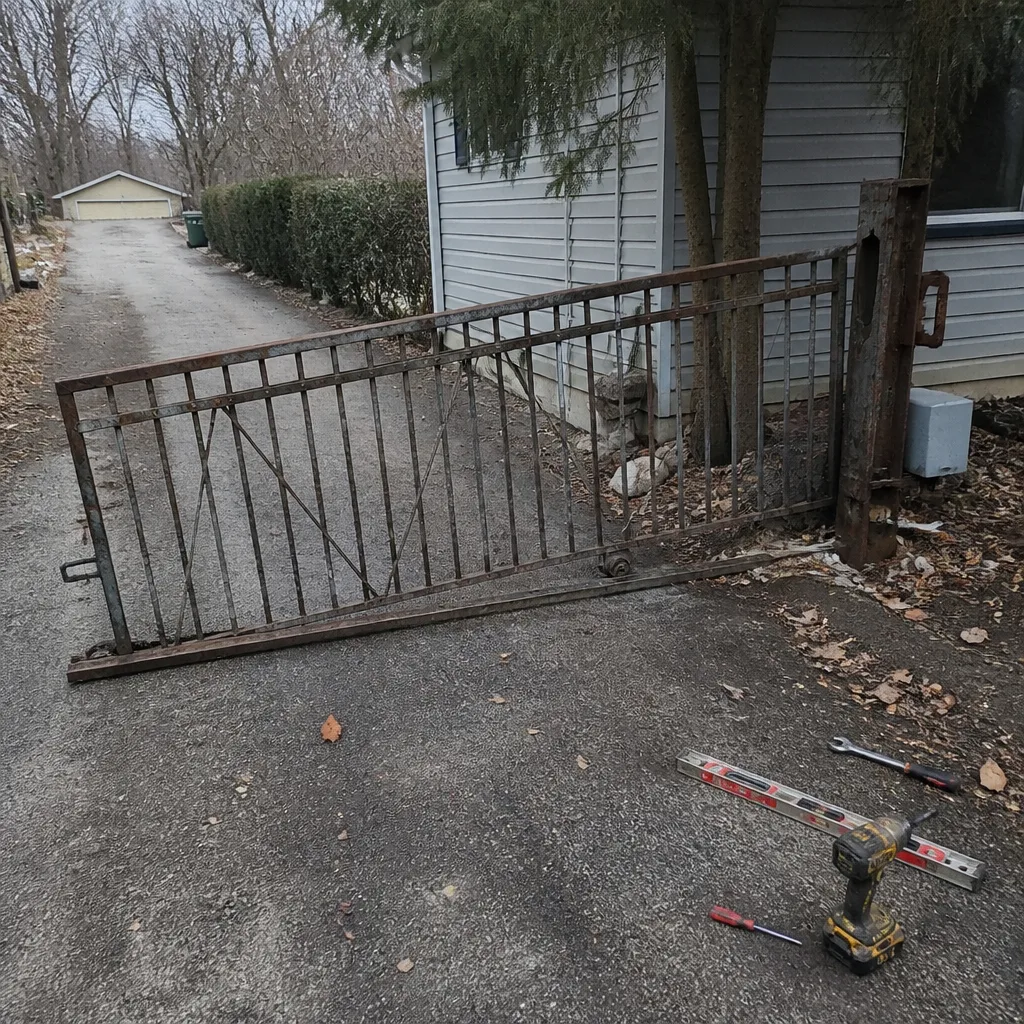 Before
 After
 Before
 After
When to Call a Professional
Some things are a five-minute release. Some need a trained eye. Call a professional when the release won’t engage, when the gate binds or grinds during hand movement, when the operator trips repeatedly, when the safety system holds or reverses the gate without a visible cause, or when the gate is off its track or sagging at the hinge. A half-open gate that won’t stay in position, or a panel that drops without warning, is a hazard that needs proper repair, not a shim. Gate Repair Northbrook connects you with gate specialists who diagnose by brand and component rather than by guess, and we offer free estimates in Northbrook. Call (855) 701-7091. Our technicians have up to 12 years of experience, and every price is quoted and agreed before any work starts, so no invoice surprises later. A local pro is licensed and insured as their state requires.
Frequently Asked Questions
Check whether your operator is configured fail-safe or fail-secure, usually noted in the manual or on a label inside the operator housing. Fail-safe opens on power loss; fail-secure stays locked. If you have a battery backup, the gate may keep operating until the battery drains, which is a third scenario. Call (855) 701-7091 for an exact answer about your system; estimates are free.
On most LiftMaster residential operators the release is a keyed lever or handle on or near the operator housing, accessible from outside the gate line. The key is essential, so keep a copy reachable from outside the gate. For a model-specific walkthrough, call (855) 701-7091 for an exact answer; estimates are free.
Yes, after you cut power to the operator and engage the manual release so the drive disengages. Move the gate slowly from the frame, watching for binding, and stop if it grinds or stiffens. If the release won’t engage, call a specialist. Call (855) 701-7091 for an exact answer; estimates are free.
A physical barrier works: a vehicle across the opening or a heavy-duty chain or cable rated for the job. Manually close and lock the gate with the operator disengaged if it fails safe-closed. Rope and zip ties on a heavy panel don’t hold. Call (855) 701-7091 first thing for a same-day appointment.
A repeated stop or reversal usually points to the safety circuit, not the motor. Loop detectors, safety edges, and photo eyes that misread will hold or reverse the gate. Clearing ice or debris from the gate’s travel path sometimes resolves it; if the same spot triggers it, you need a component-level diagnosis. Call (855) 701-7091 for an exact answer; estimates are free.
Have the operator brand and model, the control board and firmware version if noted, access credentials and configuration, gate type and dimensions, where the release key is kept, and which breaker feeds the operator. A photo of the operator’s spec label alone speeds things up. Call (855) 701-7091 for a free estimate.
The Bottom Line
Your gate’s emergency behavior comes down to three things you can find out today: whether it’s fail-safe or fail-secure, where the brand-specific release lives and where its key is, and how to disengage the operator so you can move the gate by hand without damage. Document your system’s details on one page, run the daylight drill once a season, and use a physical barrier the gate can’t defeat if it fails open overnight. The storm that strands your car at 11pm isn’t the time to learn any of this. We’re gate specialists, not generalists, working on LiftMaster, FAAC, BFT, Linear, Viking, Ghost Controls, DoorKing, Elite, and Mighty Mule systems from the motor to the access panel. Call (855) 701-7091 for a free estimate.
Written by the team at Gate Repair Northbrook.